
What Changes — And What Doesn’t
| Category | During Ramadan | Normal (Outside Ramadan) |
|---|---|---|
| Tourist sites | Open — some with shorter hours | Normal hours |
| Hotels & riads | Fully operational, meals served | Normal |
| Restaurants (tourist) | Open in Marrakech, Fes, Essaouira, etc. | Normal |
| Restaurants (local) | Many closed daytime, all open after sunset | Open all day |
| Shops & souks | Open mornings, many close 2–5 PM, reopen after iftar | Open all day |
| Alcohol | Almost none — most venues stop selling entirely | Available in licensed venues |
| MDT tours | Run as scheduled — breakfast, lunch, dinner included | Normal |
| Nightlife | No clubs/bars — but late-night souks and street food | Clubs and bars open in cities |
Ramadan Dates 2027–2029
| Year | Ramadan (approx.) | Eid al-Fitr (approx.) |
|---|---|---|
| 2026 | Feb 17 – Mar 19 | ~Mar 20–22 |
| 2027 | Feb 7 – Mar 8 | ~Mar 9–11 |
| 2028 | Jan 27 – Feb 25 | ~Feb 26–28 |
| 2029 | Jan 16 – Feb 14 | ~Feb 15–17 |
Note: Exact dates depend on the sighting of the crescent moon and may shift by 1–2 days. Ramadan follows the Islamic lunar calendar and moves approximately 11 days earlier each year. The dates above are estimates — confirm closer to your travel date.
A Typical Day During Ramadan
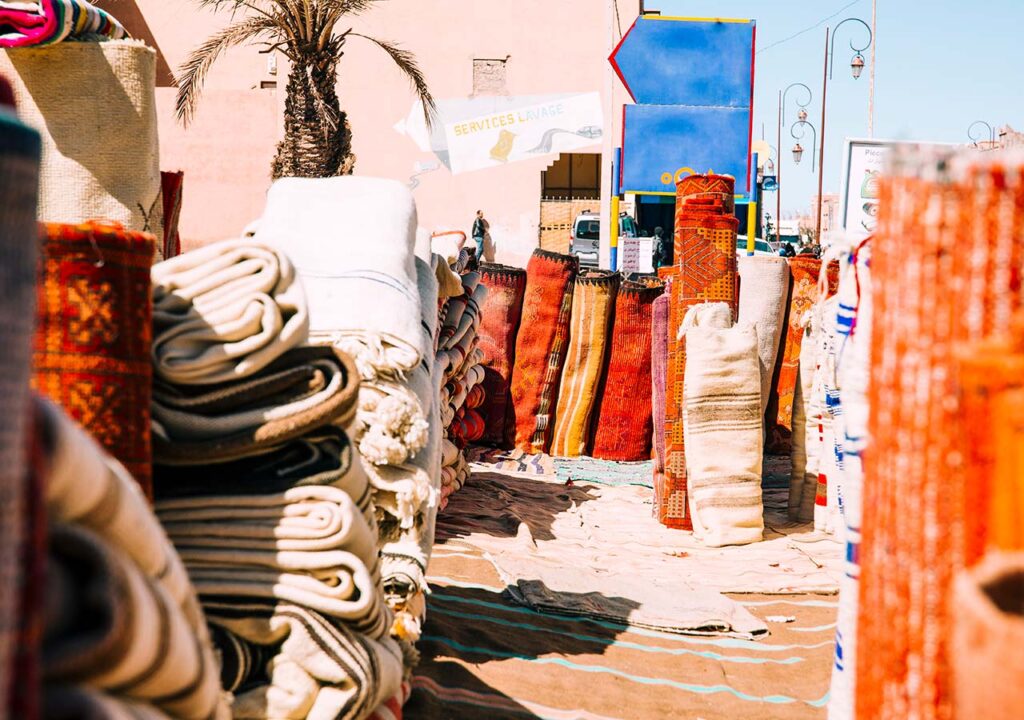
Morning (sunrise – noon): Moroccans rise early for suhoor (the pre-dawn meal, typically around 4 AM), then return to sleep. The result: a slow, quiet morning. Shops open later than usual. Souks are emptier. Coffee shops and hotel restaurants serve breakfast as normal for tourists. This is the best time for photography — fewer people, soft light, and the medina largely to yourself.
Afternoon (noon – sunset): Some local restaurants close, but tourist-facing restaurants in Marrakech, Fes, Essaouira, and Chefchaouen stay open for lunch. Souks may close between 2–5 PM. Energy is lower — people are fasting. Use this time for museums, gardens, or your riad rooftop. On MDT tours, lunch stops at tourist restaurants along the route continue as normal.
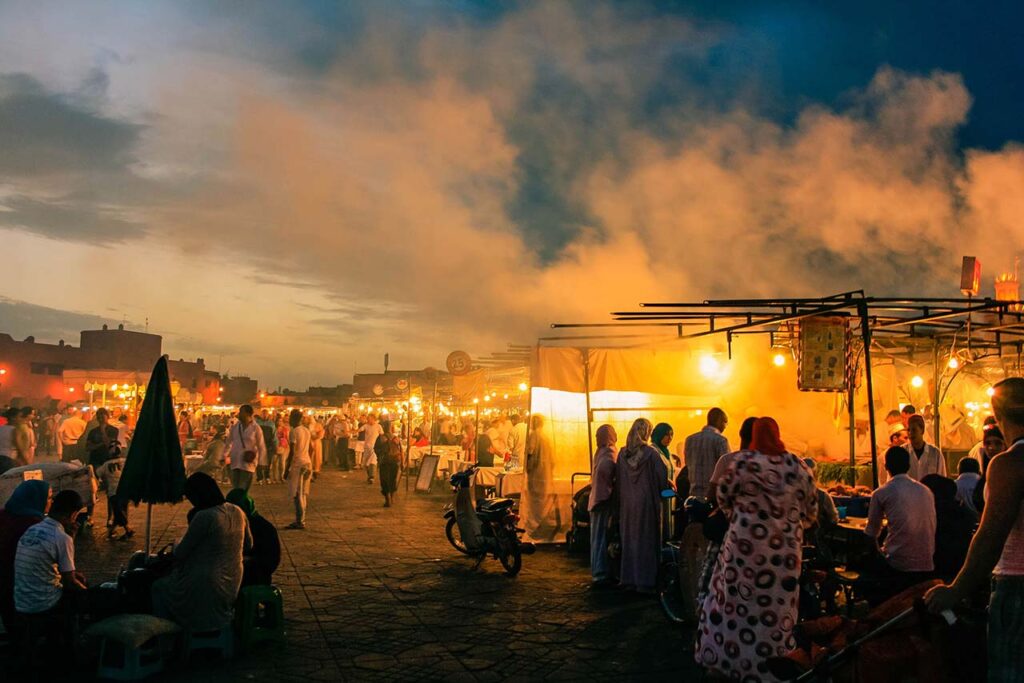
Evening (sunset – late): At sunset (~6:30–7:15 PM depending on the month), everything stops for iftar. Shops close, streets empty, and families gather to break the fast. This 30-minute pause is one of the most atmospheric moments in Morocco — the call to prayer echoes across the city, then silence, then the sound of shared meals. After iftar, everything reopens and the city transforms: souks buzz with shoppers, food stalls serve harira (rich tomato and lentil soup), chebakia (honey-soaked sesame cookies), briouats (crispy pastry parcels), and dates with milk. Streets stay lively until well past midnight. It’s Morocco at its most vibrant.
Why Visit During Ramadan
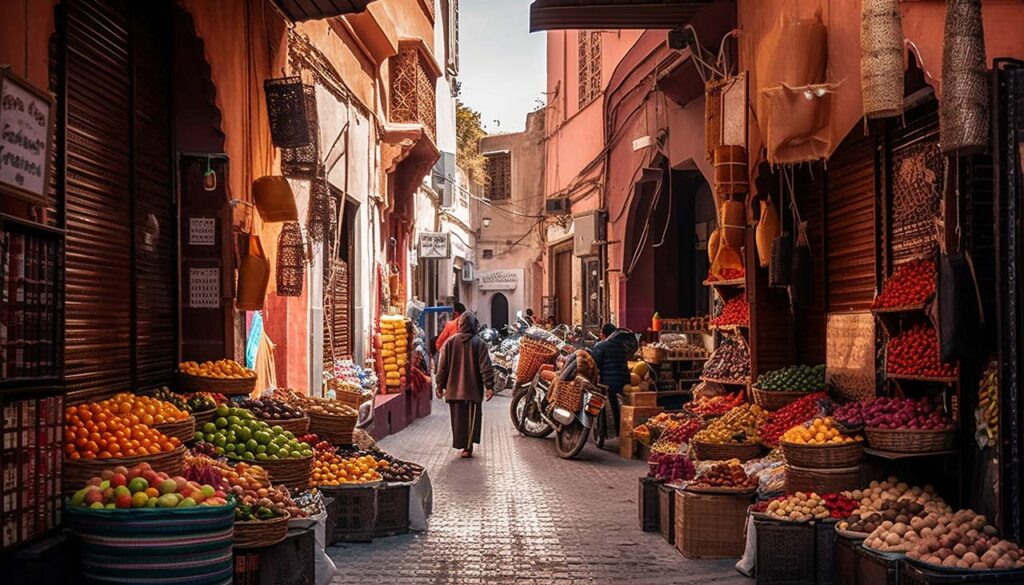
Fewer crowds: Many tourists avoid Ramadan, which means emptier sites, shorter queues, and a more authentic atmosphere. The Bahia Palace, Medersa Ben Youssef, and even Jemaa el-Fnaa are noticeably quieter.
Lower prices: Accommodation drops ~10–20% across Morocco during Ramadan. Riads and hotels discount to attract guests. Flights to Marrakech are often cheaper too.
Cultural immersion: Ramadan is a window into Moroccan life that few tourists experience. The iftar experience — whether at your riad, a restaurant, or invited into a Moroccan home — is unforgettable. Tarawih prayers (special evening prayers during Ramadan) create a spiritual atmosphere at mosques across the country. The late-night souks after iftar have a festive energy unlike any other time of year.
Ramadan-only foods: Harira, chebakia, briouats, sellou (a nutty, spiced powder dessert), and special Ramadan breads are prepared only during this month. Many riads offer special iftar menus for guests — ask when booking.
MDT Tours During Ramadan
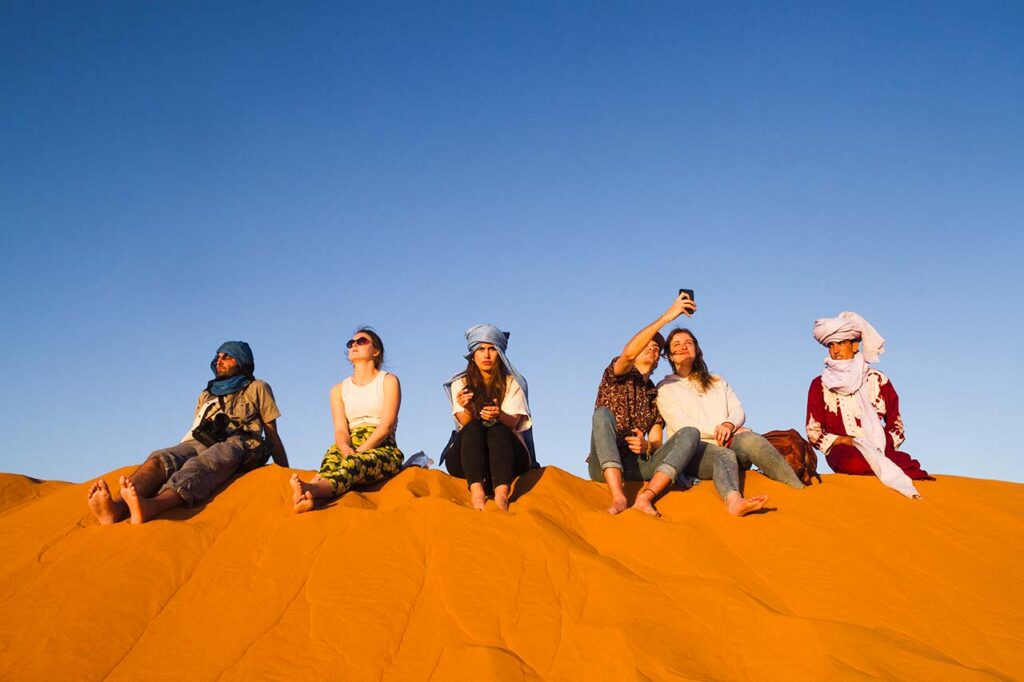
All MDT tours run as scheduled during Ramadan. Breakfast is served at your riad or hotel. Lunch is at tourist-facing restaurants along the route (which remain open). Dinner is at your hotel or desert camp. Desert tours are completely unaffected — your Berber guides are accustomed to Ramadan rhythms and the camps serve full meals regardless. The only difference: the iftar pause makes evenings in the desert even more atmospheric.
| Tour | Duration | Ramadan Impact | From |
|---|---|---|---|
| 3-Day Merzouga (Shared) | 3 days | None — all meals included | €95 |
| 3-Day Merzouga (Private) | 3 days | None — all meals included | €195 |
| Ourika Valley Day Trip | 1 day | None — lunch at tourist restaurant | €25 |
| Essaouira Day Trip | 1 day | None — restaurants open in Essaouira | €20 |
Etiquette — 4 Rules
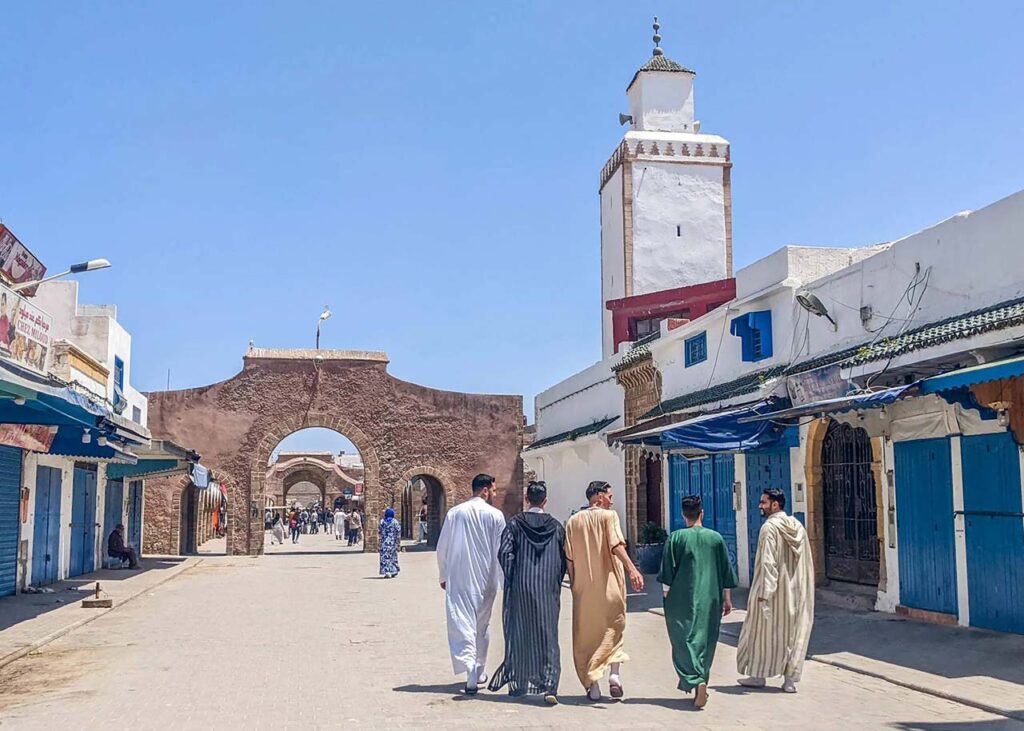
1. Don’t eat, drink, or smoke in public during daylight. This is the single most important rule. Eat in your hotel, riad, or a tourist restaurant. You’re not required to fast — just be discreet about it.
2. Be patient with slower service. Staff are fasting — energy is lower in the afternoons, and some businesses have reduced hours. This is temporary and part of the experience.
3. Dress modestly. This applies year-round in Morocco, but is especially important during Ramadan. Cover shoulders and knees. Our culture and etiquette guide has full details.
4. Say yes to iftar. If a Moroccan family or your riad host invites you to share the iftar meal, accept. It’s one of the most generous and memorable experiences Morocco offers during Ramadan — communal, warm, and deeply hospitable.
Eid al-Fitr — After Ramadan
Eid al-Fitr is the 3-day celebration marking the end of Ramadan — Morocco’s biggest family holiday, comparable to Christmas in Western countries. Eid 2026 falls around March 19–21. During Eid, expect even more closures than Ramadan itself: shops, restaurants, and businesses shut as families gather for feasts, gift-giving, and celebrations. Tourist hotels and MDT tours still operate, but guides take Eid morning off — services resume by afternoon. If your trip overlaps with Eid, plan ahead — stock up on essentials and embrace the festive atmosphere. Our full Eid al-Fitr guide covers what happens day by day, Eid foods, and MDT tour adjustments.
Visit? Yes — Morocco is wonderful during Ramadan. Tours, hotels, and tourist restaurants run normally.
2026: ~Feb 17 – Mar 19. Eid al-Fitr: ~Mar 19–21. Dates shift ~11 days/year.
Changes: Local shops close PM, no alcohol, 30-minute iftar pause at sunset.
Benefits: Fewer crowds, 10–20% lower prices, iftar experience, Ramadan-only foods.
Foods: Harira, chebakia, briouats, sellou, dates, special Ramadan breads.
Rule #1: Don’t eat in public during daylight. Eat at your hotel or a tourist restaurant.