★★★★★ Rated 4.5/5 — 204 Google reviews · 576 reviews · 5.0/5 on Tripadvisor · Written by a licensed Marrakech tour operator, on the road since 2011
Marrakech has quietly become one of the great réveillon cities — mild nights, festive riads, and a desert next door for those who want midnight under stars instead of streamers. Here is how the night actually works, and how to choose your version.
Version one: the city glitter
Riads and rooftop restaurants run gala dinners — multi-course Moroccan feasts, musicians, the Koutoubia lit beyond the terrace. The grand hotels of Hivernage stage the black-tie versions. Book by early November; the famous tables go first and prices peak with demand.

Version two: midnight in the desert
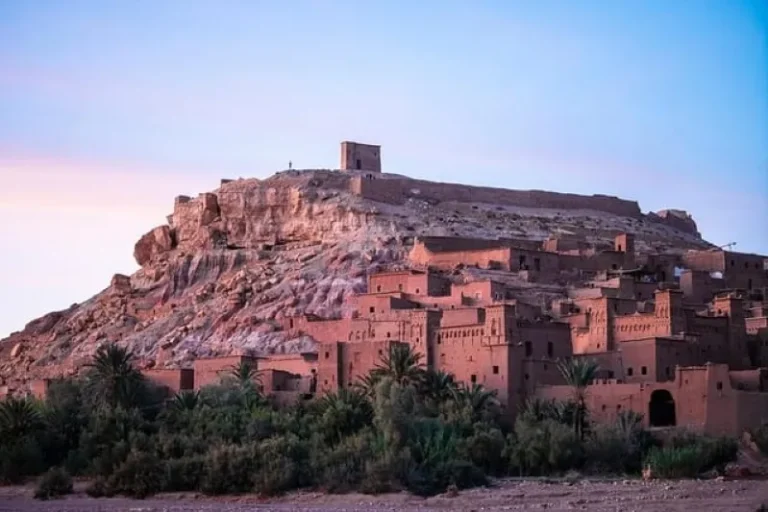
The alternative we sell out every year: the Agafay desert camps, forty minutes from town, where the year turns with fire, drums and a sky full of witnesses — or, with two extra days, the full Erg Chebbi version. Nothing about a hotel ballroom survives comparison. Reserve by October; camps are small on purpose.
What the night feels like in town
Jemaa el-Fna does its usual theatre with extra wattage; the countdown is informal (Morocco’s own new year traditions run on other calendars — Yennayer arrives mid-January), and the energy is warm rather than rowdy. January 1st is blissfully quiet: the hammam was invented for it.
The practical notes
Riads price NYE as high season and often ask minimum stays; flights fill early. Our December FAQ chapter covers the season, and a tailor-made request with your dates gets the camp or the table booked before they vanish.
Weighing the city against the sand for the big night? Christmas & New Year in Morocco compares the options — including the desert-camp New Year that no city gala can match.
Everything on this page can be woven into a private itinerary — start from Morocco city breaks or book the 7-day Imperial Cities circuit, and we shape the rest around you.
Salma Benkirane — Salma writes about the Marrakech that sits one layer beneath the postcards — riad architecture, garden history, the hammam ritual, and where the city's craftspeople actually work. She spends most of her research time walking: a route is only recommended here after she has timed it, priced it and found the shade along the way. Her favourite hour in the city is the one just after the dusk call to prayer, when the lanes north of the Ben Youssef Medersa go quiet.