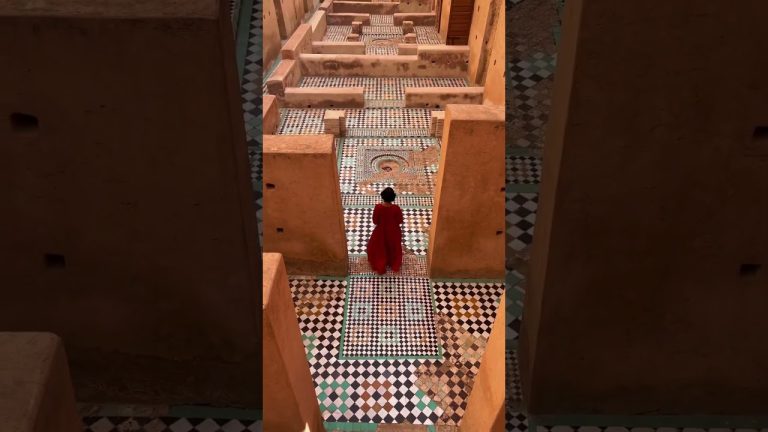
Morocco History & Jewish Heritage Tour – 16 Days
- Private vehicle & driver — Pick-up at your riad, pace set by you
- Local licensed guide — Licensed guide nº2898 · since 2011
- Book on WhatsApp — Reply within 1 hour · no payment at this stage
- The Museum of Moroccan Judaism and the mellahs of Fes and Essaouira
- Sefrou and the Ourika valley's rural heritage
- Bayt Dakira in Essaouira's restored synagogue


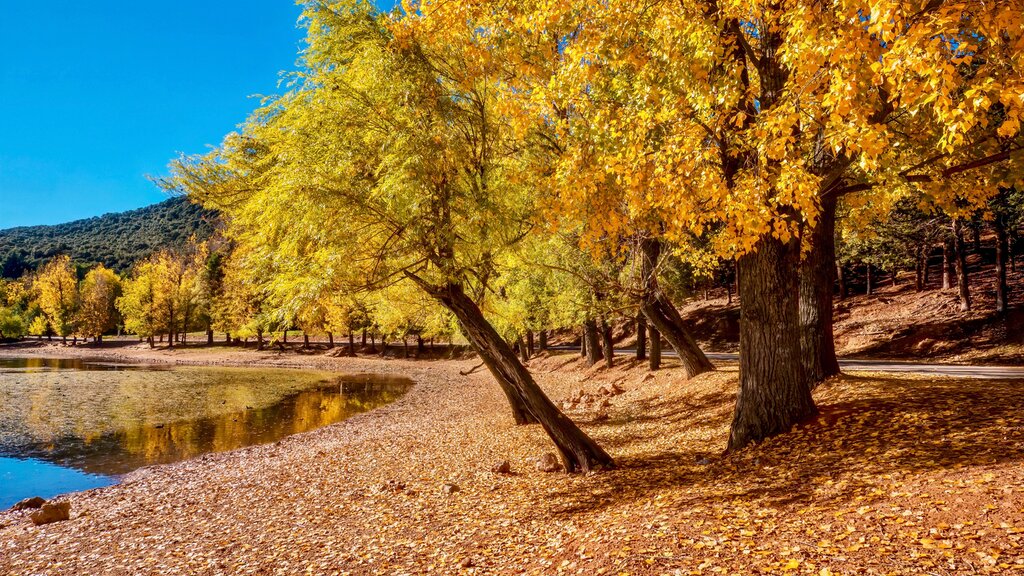
This private 16-day circuit from Casablanca costs from €2400 per person — your own vehicle, driver and licensed guide, never in a group. The route reaches Chefchaouen, Rabat and Fes; hotels are included.
| Duration | 16 Days |
| Price | From €2400 per person — car, driver and accommodation included |
| Departures | Your dates — every departure is private, never a shared group |
| Languages | English- and French-speaking driver-guides; licensed city guides where included |
| Booking | WhatsApp +212 661 454 738 — written quote within 1 hour, no payment at this stage |
Sixteen days through Morocco’s longest memory: the Jewish heritage route at full length, set inside the country’s complete classic circuit. Casablanca’s Museum of Moroccan Judaism opens it; the mellahs of Fes and Essaouira anchor it; Sefrou, the Ourika valley and the great white cemeteries deepen it — while Chefchaouen, the Sahara, Aït Ben Haddou and Marrakech ensure the journey never narrows into a single theme.
Compared to our 15-day heritage route, this version adds the Ourika valley’s rural traditions, an Azrou-and-cedars day, and a longer coastal return through Safi and El Jadida — more Morocco around the memory, which is exactly how the history reads best.
Private vehicle and driver-guide throughout; heritage-versed guides at each mellah and museum; ensuite camp at the erg.
Sixteen days through Morocco’s living Jewish history, from €2400 per person, fully private. Casablanca’s Museum of Moroccan Judaism — the only Jewish museum in the Arab world — then Rabat, Ouazzane and Chefchaouen, the mellahs of Fes and Sefrou, Ifrane’s cedar country, the Sahara with a night among the dunes, Aït Ben Haddou, Marrakech and its restored Slat Al Azama synagogue quarter, the Ourika valley, and Essaouira — once nearly half Jewish, its cemetery and Haim Pinto synagogue still tended — before the Atlantic coast road back to Casablanca.
Morocco is the one country in the region where this history can be walked rather than imagined: the kingdom protected its Jewish community through the twentieth century, and the mellahs, synagogues and cemeteries on this route are maintained, documented and open. Our guides work these sites year-round.
The tour runs at heritage pace — two full days in most cities, day trips rather than dawn departures — and suits travellers researching family roots as much as history-minded couples. Kosher-aware dining can be arranged where it exists. Dates on WhatsApp, full itinerary with hotels named back within the hour.
Sixteen days instead of fifteen, and the difference is green: this longer heritage route keeps the full Jewish-Morocco arc — museum, mellahs, Sefrou, Ouazzane — and adds the nature days its shorter sibling trades away: Ifrane’s cedar national park with its Barbary macaques, and a full Ourika valley day out of Marrakech. Choose it when the history matters and so do the mountains.
- The Museum of Moroccan Judaism and the mellahs of Fes and Essaouira
- Sefrou and the Ourika valley's rural heritage
- Bayt Dakira in Essaouira's restored synagogue
- The full classic circuit besides — Chefchaouen, Sahara, Marrakech
- The Portuguese coast — Safi, El Jadida — on the return
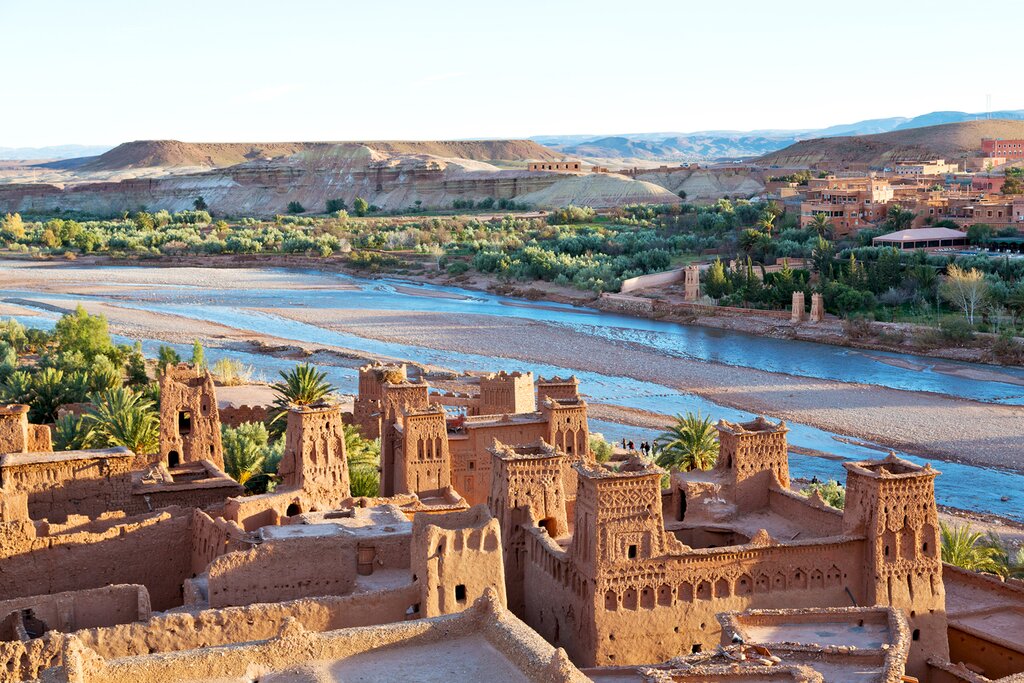
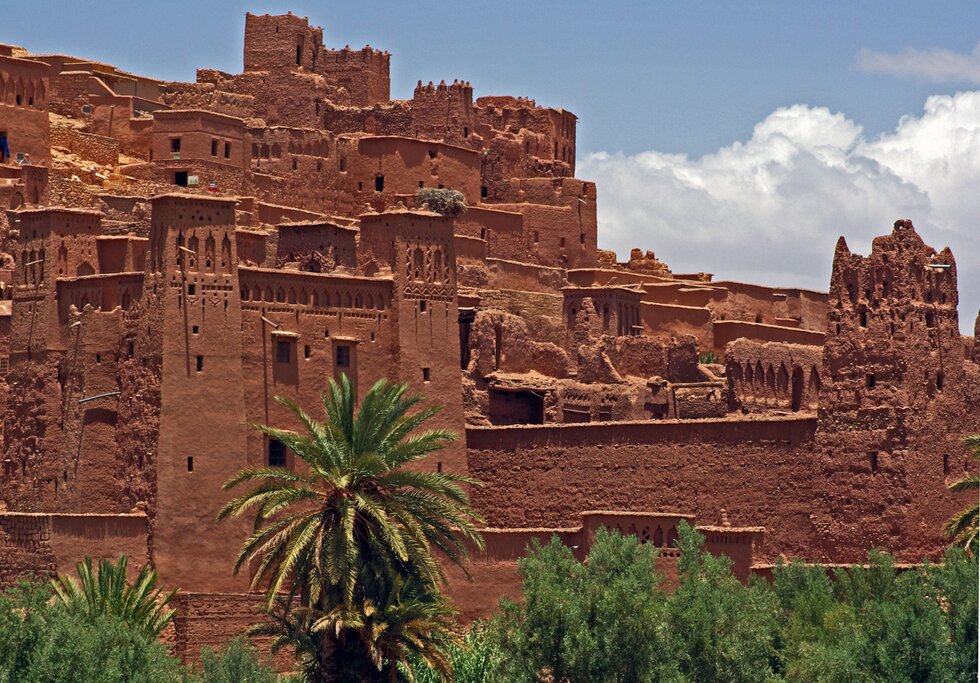
Photos from the tour

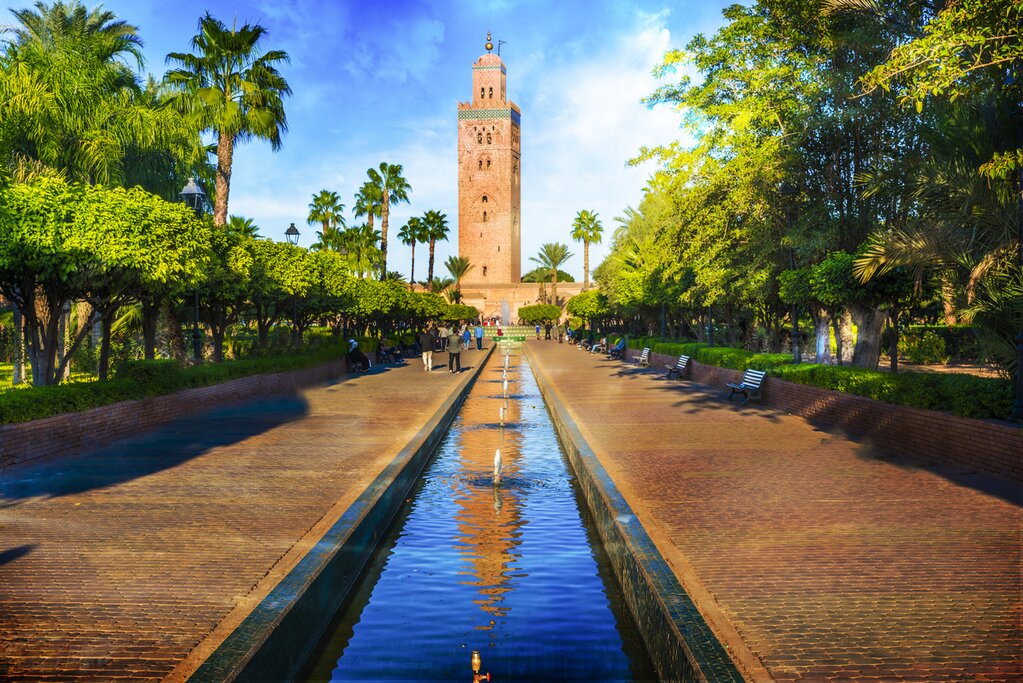


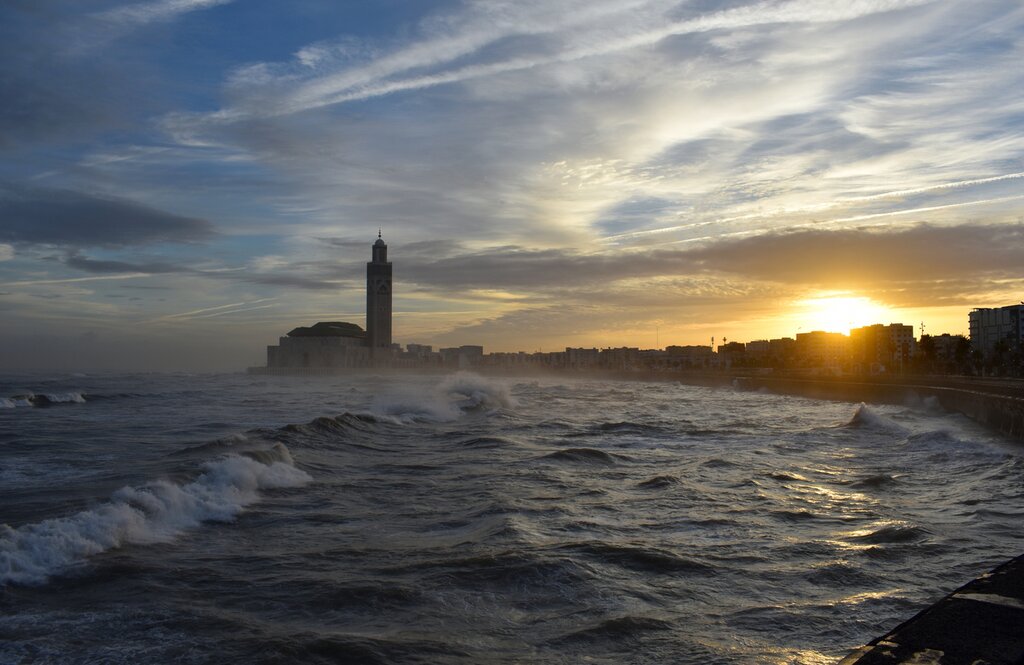


Itinerary
Open a day to see the detail: transport, accommodation, meals and activity time.
Day 1 Casablanca, at your own pace
Casablanca at your own pace to open: arrival and pickup, the Corniche's ocean air, perhaps the art-deco centre's facades before dinner. The deep history starts tomorrow, well-rested — this first evening simply lets Morocco introduce itself at Atlantic tempo.

Day 2 The great mosque and the Jewish museum
The day of two great interiors, deliberately paired: the Hassan II Mosque, guided, with the ocean moving beneath its glass floor panels — and the Museum of Moroccan Judaism in the Oasis quarter, the Arab world's only such museum, whose Torah cases, costumes and photographs frame everything the route will visit. The afternoon between them belongs to the boulevards.
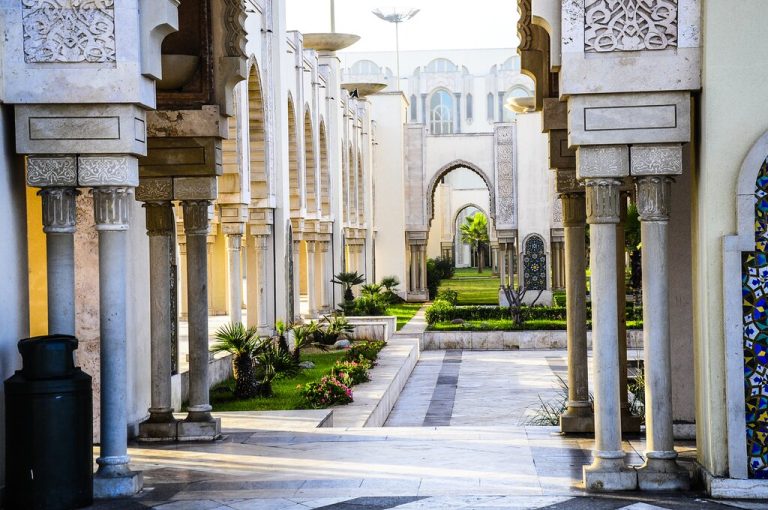
Day 3 Via Rabat and Ouazzane to Chefchaouen
North with two meaningful pauses: Rabat's Oudayas kasbah at midday, then Ouazzane in its olive hills — a town sacred in both Muslim and Jewish tradition, its zaouïa and its remembered pilgrimages — before the Rif road delivers Chefchaouen at the blue hour. Evening free in the lanes; the blue itself is linked by tradition to the town's Jewish past.
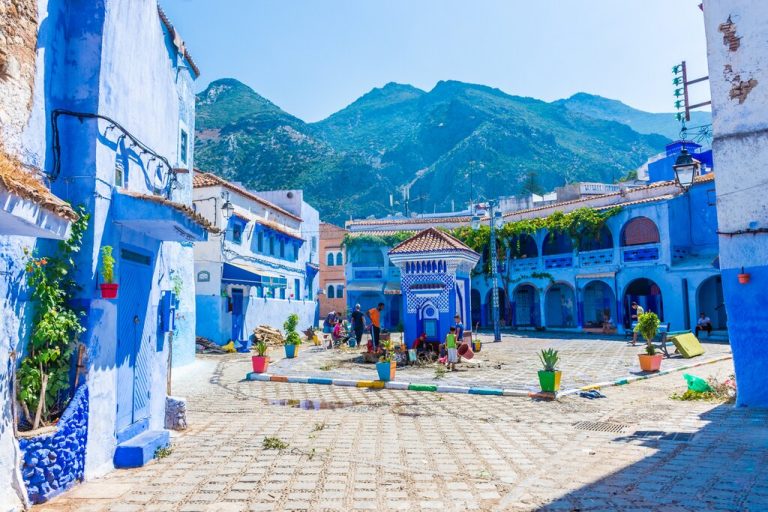
Day 4 Volubilis, Moulay Idriss and Meknes to Fes
The foundation road south: Volubilis, where a Jewish presence is attested back to Roman inscriptions among the open-sky mosaics; whitewashed Moulay Idriss on its sacred hills; Meknes and Bab Mansour's triumphal calligraphy — then Fes by evening, keeper of the deepest chapters, your riad inside the walls.

Day 5 The medina and the mellah of Fes
Fes in both registers, one day each side of lunch: the medieval medina in the morning — madrasas, tanneries from the terrace, the ancient university's doorways — and the 15th-century mellah after: balconied facades unique in Moroccan architecture, the restored Ibn Danan synagogue, and the white cemetery climbing its hillside with the city spread below.

Day 6 Sefrou day trip
Sefrou, once called the 'little Jerusalem': a day trip to the cherry-orchard town whose Jewish community was among Morocco's most vibrant — the old quarter's lanes, the shared shrines, the stories kept by neighbours who knew the families. Back in Fes for the evening, the day's quiet resonance included.

Day 7 Ifrane National Park to Azrou
A green interlude by design: Ifrane National Park's cedar forests, macaques inspecting visitors from the branches, and Azrou's easy mountain-town rhythm — Berber carpet weavers included. The route breathes here on purpose; the desert leg begins at first light.
Day 8 To the dunes, camels at dusk
The long south road via the Ziz's palm gorges to Erfoud and Merzouga, where camels take the golden hour into the Erg Chebbi. Camp night in full: ensuite tents, dinner under lanterns, drums at the fire, and the Sahara's oldest sky — the one every community of this route's story once navigated by.

Day 9 Rissani to Ouarzazate
Sunrise on the crest, then the full kasbah traverse west: Rissani's caravan lanes where the ruling dynasty began, Tinghir stacked above its palmery, the Todra mouth, the Dadès fortresses — arriving in Ouarzazate by evening with a desert day's worth of oases behind you.

Day 10 Aït Ben Haddou to Marrakech
Aït Ben Haddou climbed in morning quiet — the earthen lanes to the granary viewpoint, the river oasis below, centuries of caravan logic legible from the top — then the Tizi n'Tichka's mint-tea descent into Marrakech, fourth city of this history and the loudest of them all. Jemaa el-Fna handles the welcome.

Day 11 Marrakech: the city and the steam
Marrakech guided with the mellah at its heart: the Lazama synagogue behind its unassuming door and its courtyard's calm, the quarter's spice market that once served the community's tables, the Bahia Palace next door for the palatial counterpoint — and a traditional hammam to close the day in steam and silence.

Day 12 The Ourika valley
The Ourika valley: Berber villages terraced above the river, the rural traditions that neighboured and traded with the mellahs' urban ones, waterfall paths for the walkers and a valley lunch at a family table. The countryside's side of the shared story, an hour from the city's.

Day 13 The argan road to Essaouira
West on the argan road — a women's cooperative for the cracking, grinding and pressing — to Essaouira, the port where Jewish merchants once brokered the kingdom's trade with Europe under the sultans' protection. Ramparts, gulls, the blue fleet at rest; the evening free by the sardine grills.

Day 14 Essaouira's medina and mellah
Essaouira's memory in full: Bayt Dakira, the 'House of Memory' in the restored Simon Attias synagogue — among Morocco's most moving museums — then the mellah's lanes and the vast white cemetery facing the Atlantic, its ranks of stones kept with quiet care. Time afterwards to simply sit on the ramparts and let it settle.

Day 15 The Portuguese coast to Casablanca
The Portuguese coast north as a closing meditation: Safi's potters' hill, El Jadida's UNESCO cistern with its shaft of light on water, Azemmour's quiet murals above the river — three more coastal chapters of the same layered story — and Casablanca by evening.

Day 16 Departure
Departure from Casablanca: sixteen days and twenty centuries, from the museum that frames the story to the cemeteries and synagogues that keep it — a Morocco that remembers, now carried onward by you.

Heritage sites keep variable hours around Shabbat and holidays; we sequence to your dates. Several synagogues and cemeteries welcome modest donations. The route runs all year; spring and autumn are gentlest for the desert stage.
Included in your tour
- Private air-conditioned 4×4 or minivan with English/French-speaking driver-guide — 16 days
- Pickup at Casablanca airport or your hotel
- Nights 1–2: Casablanca hotel (2 nights) — half-board
- Night 3: Chefchaouen riad — half-board
- Nights 4–5: Fes riad (2 nights) — half-board
- Night 6: Sefrou hotel — half-board
- Night 7: Azrou hotel — half-board
- Night 8: luxury ensuite desert camp — half-board
- Night 9: kasbah hotel, Ouarzazate — half-board
- Nights 10–11: Marrakech riad (2 nights) — half-board
- Night 12: mountain lodge, Ourika — half-board
- Nights 13–14: Essaouira riad (2 nights) — half-board
- Night 15: Casablanca hotel — half-board
- Guided visit of Fes with a licensed local guide (Day 5)
- Guided visit of Marrakech with a licensed local guide (Day 11)
- Guided visit of Casablanca with a licensed local guide (Day 2)
- Guided visit inside the Hassan II Mosque, Casablanca
- Guided visit of the Aït Ben Haddou ksar (UNESCO)
- Camel trek in the dunes
- Traditional hammam session
- Visit of a women's argan cooperative
- Drop-off at your Casablanca hotel or at the airport
Not included
- International flights
- Lunches and beverages
- Entrance fees to monuments and historical sites (optional — pay directly)
- Tips for guide and driver
- Personal expenses
- Travel insurance (recommended)
Explore more
Historical sites Marrakech Fes Chefchaouen Essaouira Ouarzazate
Questions travellers ask
How much does Morocco History & Jewish Heritage Tour – 16 Days cost?+
From €2400 per person, per person. The price includes private air-conditioned 4×4 or minivan with english/french-speaking driver-guide — 16 days, pickup at casablanca airport or your hotel, nights 1–2: casablanca hotel (2 nights) — half-board. You receive a written itemised quote before paying anything — no hidden fees.
How long is this tour and when does it depart?+
16 Days, departing on the dates you choose — there is no fixed schedule, because every departure is arranged for you alone.
Is this a group tour or private?+
Fully private: your own vehicle, driver and licensed guide, never seat-in-coach and never mixed with other travellers. The daily pace flexes around you.
What are Morocco's UNESCO World Heritage sites?+
The medinas of Fes, Marrakech, Tetouan and Essaouira; the ksar of Aït Ben Haddou; Roman Volubilis; the historic cities of Meknes and El Jadida (Mazagan); and Rabat, the modern-and-historic capital. Intangible listings add the Jemaa el-Fna square culture, tbourida and more.
Can one itinerary cover most of them?+
Yes — our 14–16 day grand tours pass seven or more listed sites naturally, and even the one-week imperial routes take in four. The heritage is strung along the classic roads; no special detours needed.
Which site is most underrated?+
El Jadida's Portuguese cistern — a five-minute wonder most itineraries skip — and Tetouan's medina, the most Andalusian in Morocco with the fewest visitors. Both are on our coastal and tailor-made northern routes.
How do I visit medinas responsibly?+
They are living cities: buy from the artisans (not just photograph them), keep voices and cameras polite in residential lanes, and use licensed guides — your fee supports the profession that keeps the knowledge alive.
More answers in the “UNESCO & heritage” chapter of our Travel FAQ →
Itinerary and prices last updated October 2026.