★★★★★ Rated 4.5/5 — 204 Google reviews · 576 reviews · 5.0/5 on Tripadvisor · Written by a licensed Marrakech tour operator, on the road since 2011
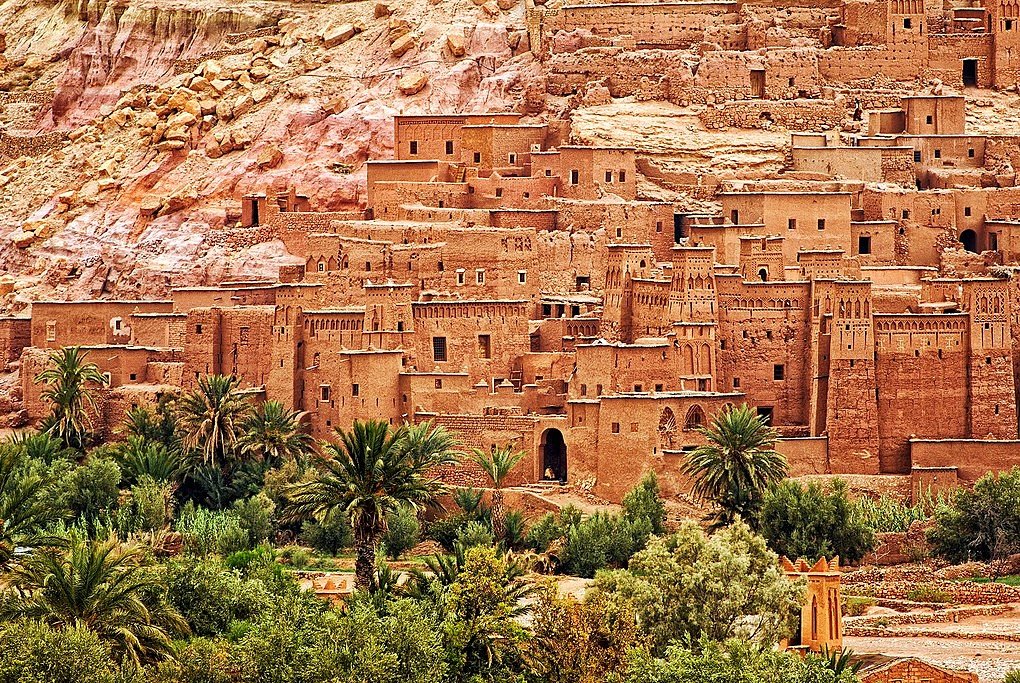
An hour from Marrakech’s rooftops, earthen villages stack up hillsides much as they have for a thousand years — and visiting one respectfully is often the day travellers remember longest. Here is what village Morocco is actually like, and the guest manners that make the visit welcome.
What a village actually is
Amazigh villages of the Atlas are working agricultural communities: terraced barley and walnut plots, shared irrigation channels, a mosque, a communal oven, mules doing the roads’ work. Life is neither museum nor hardship-display — it is ordinary life in extraordinary geography, and villagers read instantly whether visitors grasp that.

How a good visit flows
On foot, with a local guide who has actual relationships there — you walk the mule paths, greet whoever greets you, and likely land at a family house for mint tea, fresh bread with amlou and honey, maybe a tagine cooked while you rest. The hospitality is real; the household’s time is real too, which is why organised visits compensate hosts properly — ask how, and expect a straight answer.
Guest manners that matter
Ask before photographing people and interiors; dress modestly; accept tea; pocket sweets for children rather than money (and follow your guide’s lead — many villages prefer gifts to the school). Buy the walnuts, the carpet, the oil if offered honestly — village economics are direct.
Doing it with us
Village walks anchor our Atlas routes (from €300) — Imlil’s valleys, the Ourika, Asni on souk day — always with licensed local guides whose home villages these often are. The deeper cultural context lives in our Amazigh guide.
Everything on this page can be woven into a private itinerary — start from historical sites of Morocco or book the 7-day Imperial Cities circuit, and we shape the rest around you.
Zineb Lahlou — Zineb writes about Moroccan traditions, crafts and celebrations. She grew up between Fes and Casablanca in a family where every wedding involved three cities' worth of relatives, which turned out to be excellent training for explaining Moroccan social life to visitors. Her beat runs from zellij workshops to Gnaoua music to the etiquette of a hammam.