★★★★★ Rated 4.5/5 — 204 Google reviews · 576 reviews · 5.0/5 on Tripadvisor · Written by a licensed Marrakech tour operator, on the road since 2011
Most of the Morocco you will love — the mountain villages, the kasbahs, the desert camps, the carpets, half the music — is Amazigh. Knowing even the outline of that story deepens every day of a trip, so here it is, told with the respect it deserves.
Who the Amazigh are
The indigenous peoples of North Africa, present across Morocco for thousands of years before Arabic arrived — “Berber” is the old outside name; Amazigh (plural Imazighen, “free people”) is their own. Tamazight became an official language of Morocco in 2011, and you will see its striking Tifinagh alphabet — geometric, ancient — on public buildings everywhere.

Where you will meet the culture
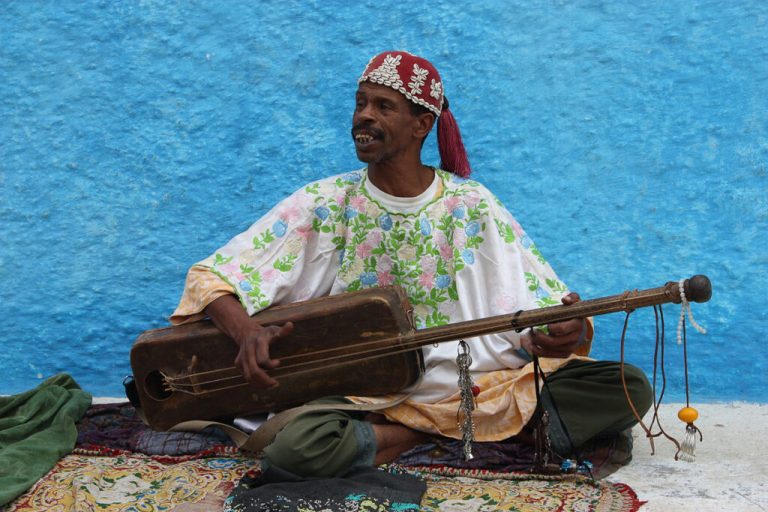
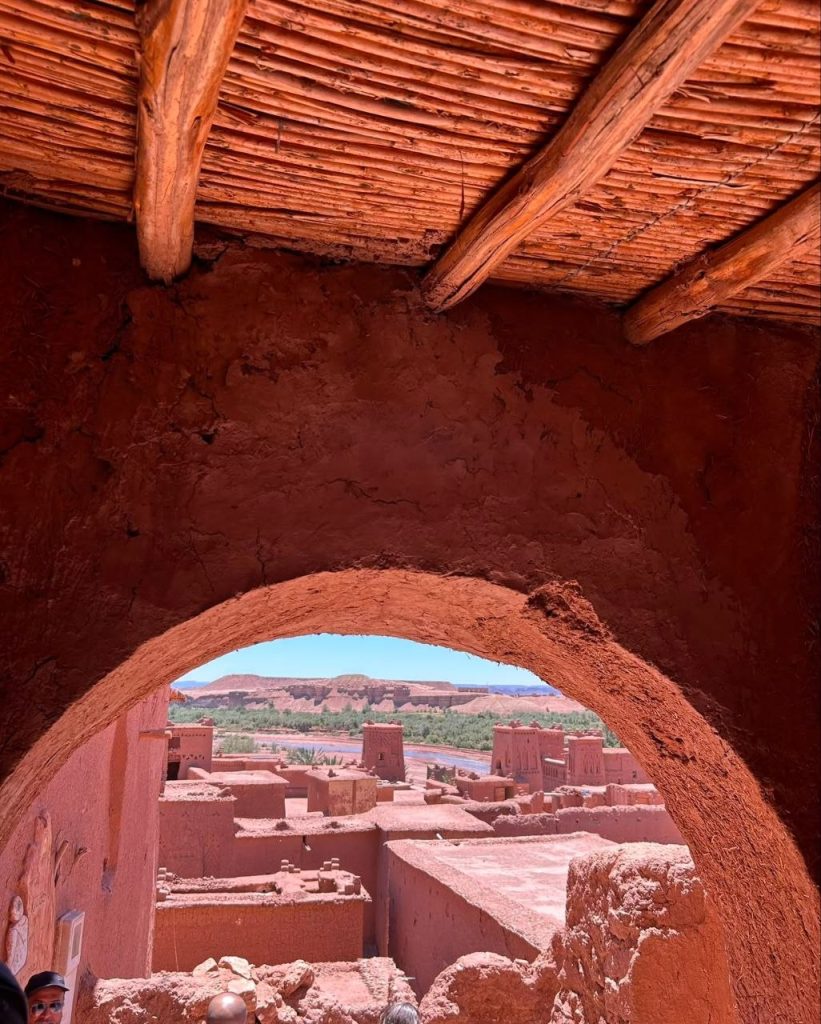
In the High Atlas, village life still moves to Amazigh rhythms — market days, terraced farming, mint tea poured from height. Along the desert roads, the kasbah architecture, the silver jewellery, the carpet motifs (each region’s geometry its own dialect) are all Amazigh art forms. And in the music: the ahidous circle dances of the mountains and the sung poetry of the south.
Travelling it respectfully
Accept the tea (it is hospitality, not commerce). Ask before photographing people. Learn one word — azul, hello — and watch faces change. And buy crafts where they are made: a carpet purchased in a weaving village pays its maker, not a chain of middlemen.
Going deeper
Our Atlas walking routes stay in Amazigh villages by design, and desert circuits include nomad-family tea stops that are visits, not performances. The culture & etiquette FAQ carries the practical courtesies further.
Amazigh identity in today’s Morocco
This is not folklore kept alive for visitors — it is state policy and street reality. Tamazight has been an official language of Morocco alongside Arabic since the 2011 constitution: you will see its geometric Tifinagh script on government buildings, road signs and banknotes, and it is taught in public schools. In 2024, Yennayer — the Amazigh new year in mid-January — became an official paid national holiday, a milestone the community had campaigned on for decades. Roughly a third of Moroccans speak an Amazigh language daily, and far more claim the heritage.
Where the culture runs deepest
Three regions, three languages. The Rif in the north speaks Tarifit; the Middle and High Atlas speak Tamazight proper — this is the Morocco of earthen villages, weekly souks and the great fortified granaries called agadirs; and the Souss valley around Agadir and Taroudant speaks Tashelhit, with the argan cooperatives largely run by Amazigh women. Spending a night in an Atlas village guesthouse — bread from the communal oven, mint tea poured by the family — teaches more than any museum; our three-day Atlas valleys trek is built around exactly that.
The language you’ll see on every public building
Since Morocco’s 2011 constitution, Tamazight has been an official language alongside Arabic — which is why government buildings, and increasingly road signs, carry three scripts: Arabic, French and the striking geometric Tifinagh alphabet, one of Africa’s oldest writing systems still in daily use. Learning to recognise the ⵣ (yaz) — the letter that doubles as the Amazigh cultural symbol — turns every signpost into a small history lesson. January adds a living one: Yennayer, the Amazigh new year around the 13th–14th, became an official national holiday in 2024, celebrated with couscous and family tables.
Meeting the culture beyond the signage is mostly a matter of route: the Saturday souk at Asni for the living rural economy, the High Atlas villages done respectfully, and the carpet lexicon — Beni Ourain, Azilal, Boucherouite — decoded in our souk buying guide.
Two threads continue this story: the Hand of Fatima, the khamsa you will see on doors across the country, and the Morocco flag, whose green star carries its own layered history.
Everything on this page can be woven into a private itinerary — start from historical sites of Morocco or book the 7-day Imperial Cities circuit, and we shape the rest around you.
Zineb Lahlou — Zineb writes about Moroccan traditions, crafts and celebrations. She grew up between Fes and Casablanca in a family where every wedding involved three cities' worth of relatives, which turned out to be excellent training for explaining Moroccan social life to visitors. Her beat runs from zellij workshops to Gnaoua music to the etiquette of a hammam.