★★★★★ Rated 4.5/5 — 204 Google reviews · 576 reviews · 5.0/5 on Tripadvisor · Written by a licensed Marrakech tour operator, on the road since 2011
When the souk’s theatre tires you, cross the avenue: Guéliz — the French-built new town — is where Marrakech itself shops, and its boutiques sell Moroccan design at fixed prices with receipts and shipping. Here is the district decoded.
What Guéliz does best
Moroccan designers — concept stores along and off Rue de la Liberté carry the new wave: reworked kaftans, leather with clean lines, ceramics that survived the tourist filter. Interiors and craft, curated — fixed-price galleries sell rugs, brass and pottery chosen by an editor’s eye; you pay a little more than a souk victory and save an hour of ceremony. The everyday pleasures — pâtisseries, wine merchants, bookshops and the covered central market where expats buy their olives.
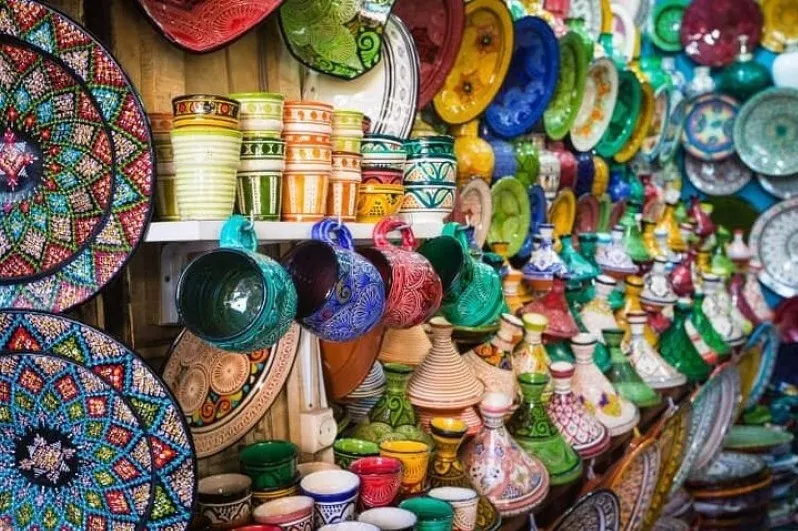
Souk or Guéliz? Both, in order
The smart circuit: browse the medina first to learn prices and appetite (souk guide, haggling manners), then close serious purchases in Guéliz where quality is labelled and cards are welcome. Big pieces ship insured from either — the Guéliz galleries just make the paperwork painless.
Practical district notes
Shops keep city hours (many pause Sunday; some close for lunch); the Majorelle garden and YSL museum sit on the district’s edge, making a natural culture-then-carrier-bags morning; and taxis back to the medina should be metered or agreed (the taxi rules). Our private city days weave Guéliz in on request — riad to boutiques to lunch, driver carrying the bags. District questions live in the shopping FAQ.
Everything on this page can be woven into a private itinerary — start from Morocco city breaks or book the 7-day Imperial Cities circuit, and we shape the rest around you.
Youssef El Amrani — Youssef grew up a few streets from Bab Doukkala and has watched Marrakech reinvent itself several times over without ever quite changing. He covers the city for our guides — the palaces and museums, yes, but mostly the practical texture of it: which gate to enter the souks by, when Jemaa el-Fna is worth your evening, how much a taxi should actually cost. His rule for every piece he writes: if a reader follows it on foot, it has to work.