The souks sell everything; your suitcase holds little. The skill is knowing which crafts are genuinely Moroccan-made, travel well, and survive the flight home still looking like Marrakech. The shortlist, category by category.
Worth every dirham
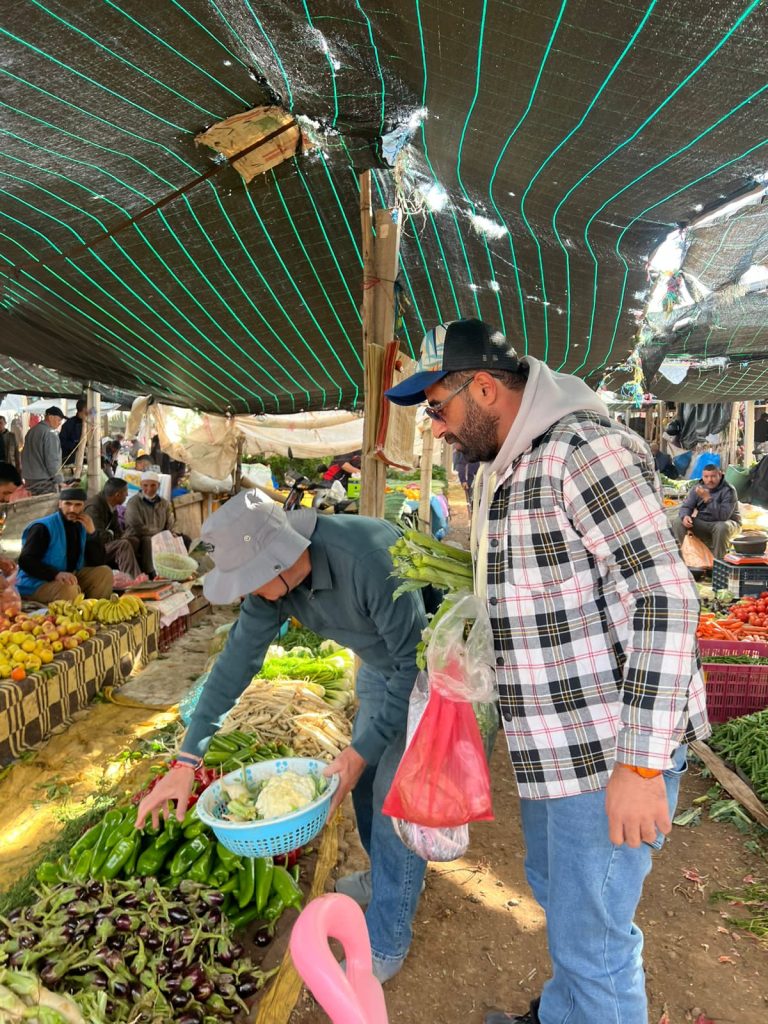
Leather: babouches and bags from the tannery quarter — smell test, stitch test, then haggle. Ceramics: Safi and Fes pottery, tagines and bowls; bubble-wrapped, they fly surprisingly well. Lanterns: the pierced-brass classics — buy the size your hand luggage forgives. Argan oil: culinary and cosmetic, but only from cooperatives or fixed-price shops; souk-aisle “argan” is often blended. Spices: ras el hanout blended before your eyes, saffron weighed not bottled. Textiles: handira wedding blankets and pom-pom throws — the backs reveal handwork.

The connoisseur’s deeper cuts
Thuya wood boxes (that cedar-sweet smell is the authenticity certificate), Amazigh silver from reputable dealers, and carpets — a universe of their own: buy for love not investment, know your metre-price ceiling before the tea arrives.
What to skip
“Fossils” by the crate, saffron at miracle prices, anything the vendor claims is antique, and fragile geodes that become gravel in transit.
Buying well
Calibrate at fixed-price stores first; the etiquette FAQ and our haggling guide handle the negotiation. Souk time with a guide who knows the honest workshops is built into every Marrakech chapter of our circuits — ask, and they will steer you past the tourist rows to where craftspeople actually work.
Salma Benkirane — Salma writes about the Marrakech that sits one layer beneath the postcards — riad architecture, garden history, the hammam ritual, and where the city's craftspeople actually work. She spends most of her research time walking: a route is only recommended here after she has timed it, priced it and found the shade along the way. Her favourite hour in the city is the one just after the dusk call to prayer, when the lanes north of the Ben Youssef Medersa go quiet.