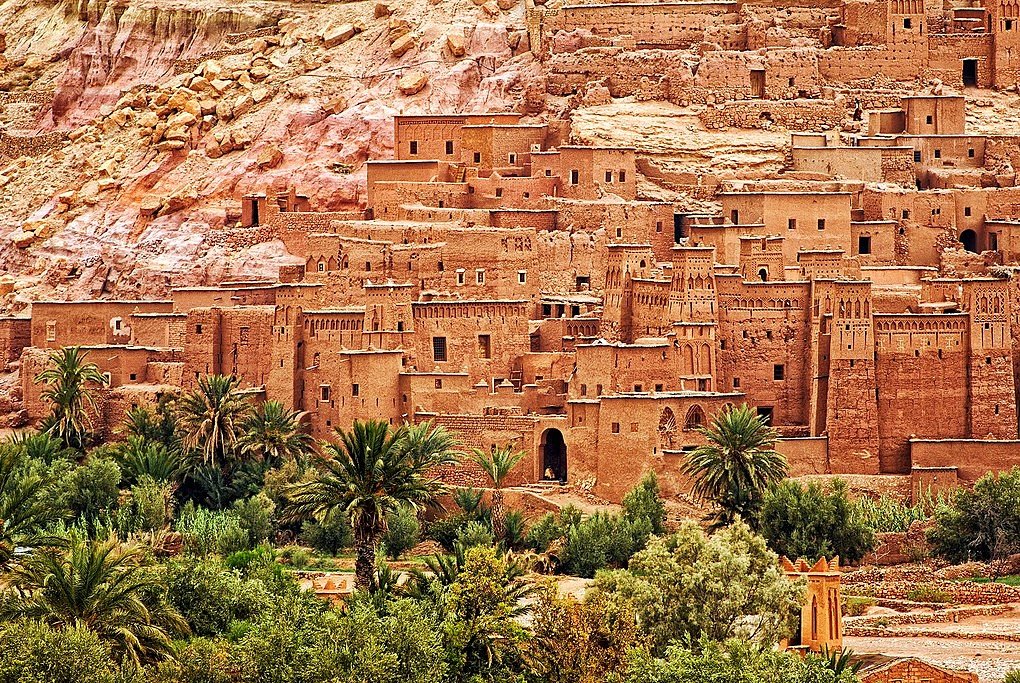
Above the plains, Morocco speaks Tamazight. The Amazigh (Berber) villages of the Atlas — stone and earth, stacked over green terraces, older than most European capitals — are not museums. People farm, bake, weave and welcome exactly as their grandparents did, and visiting well is one of the country’s deepest experiences.
Where to go
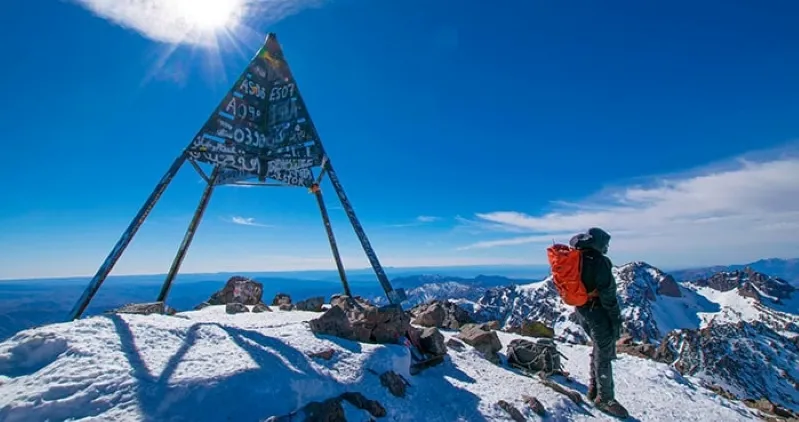
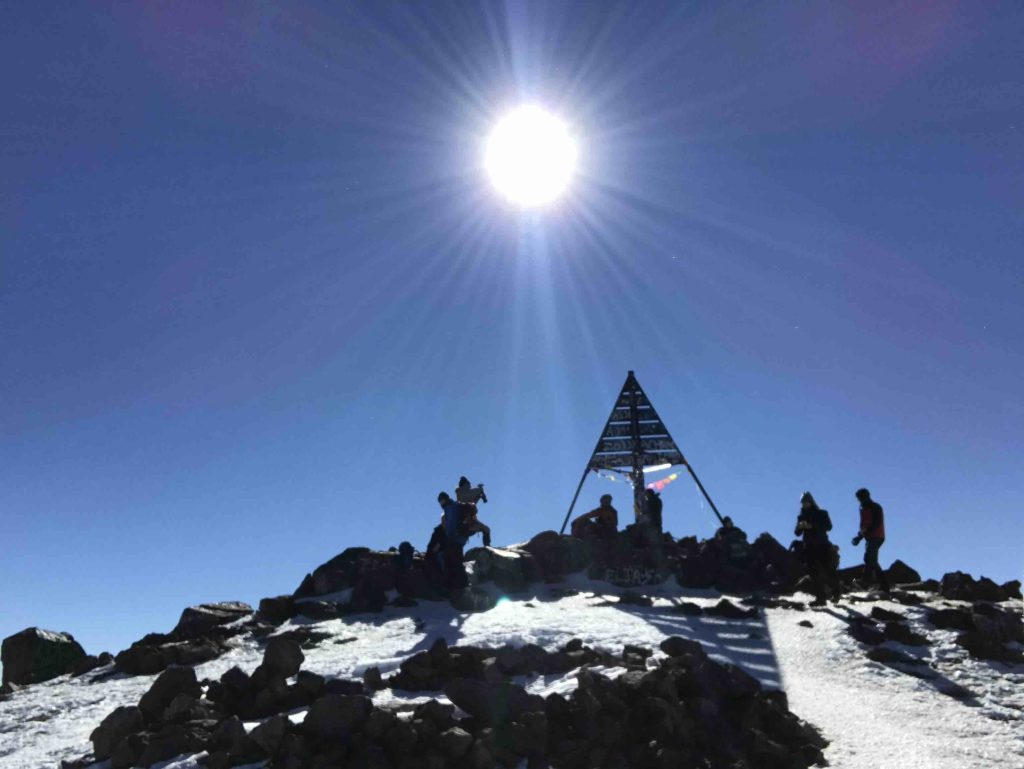
The Imlil and Aroumd villages under Toubkal are the classic gateway; the Amizmiz and Ourika valleys offer gentler walks an hour from Marrakech; the Aït Bougmez “happy valley” rewards those with two spare days; and the mudbrick hamlets of the Dades weave village life into every desert circuit.
What a good visit looks like
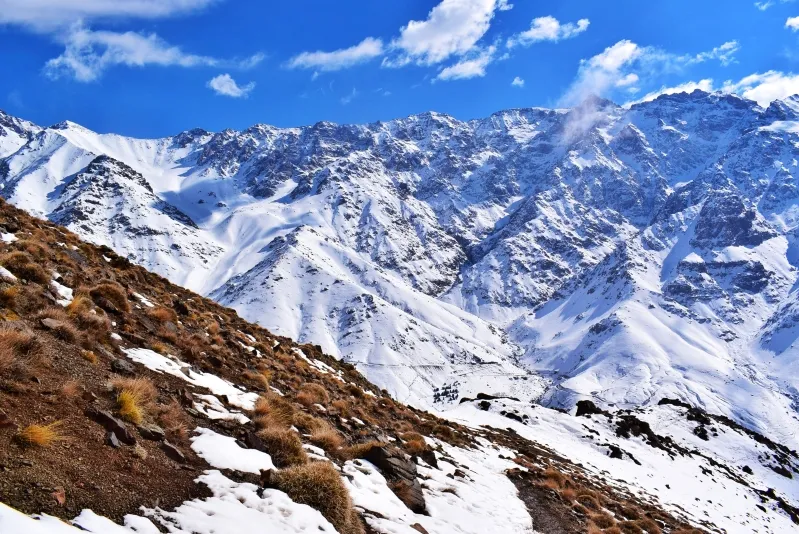
On foot, with a local mountain guide, at walking pace: a path between walnut trees, a word with the shepherd, mint tea on a rooftop, lunch at a family table where the tagine arrives with bread still warm from the communal oven. Our routes pay families directly and arrive in numbers small enough to be guests, not traffic.
Manners that matter
Ask before photographing people; dress a notch modestly; accept the tea (the third glass is friendship); buy the weaving from the weaver. Small courtesies open large doors here.
Build it into your trip
Village walks feature in our Atlas hiking week, the deep-south 16 days, and any tailor-made route you sketch with us. Etiquette and practical questions live in the culture FAQ.
Zineb Lahlou — Zineb writes about Moroccan traditions, crafts and celebrations. She grew up between Fes and Casablanca in a family where every wedding involved three cities' worth of relatives, which turned out to be excellent training for explaining Moroccan social life to visitors. Her beat runs from zellij workshops to Gnaoua music to the etiquette of a hammam.