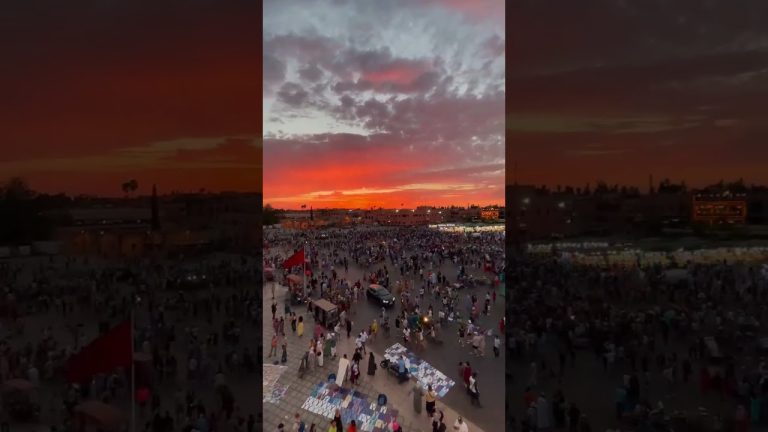
Southern Morocco Tour – 16 Days: Sahara, Atlas & the Atlantic
- Private vehicle & driver — Pick-up at your riad, pace set by you
- Local licensed guide — Licensed guide nº2898 · since 2011
- Book on WhatsApp — Reply within 1 hour · no payment at this stage
- Two desert chapters — Erg Chebbi dunes and Zagora's fossil country
- Guided treks in Toubkal National Park and the Dadès villages
- The crafts thread — carpets, saffron, argan — at the source


A private 16-day tour from Marrakech: from €2400 per person, with vehicle, driver, licensed guide and accommodation included — no groups, departures on your dates. Along the way: Imlil, Toubkal and Aït Ben Haddou.
| Duration | 16 Days |
| Price | From €2400 per person — car, driver and accommodation included |
| Departures | Your dates — every departure is private, never a shared group |
| Languages | English- and French-speaking driver-guides; licensed city guides where included |
| Booking | WhatsApp +212 661 454 738 — written quote within 1 hour, no payment at this stage |
Sixteen days entirely south of the Atlas watershed — the deep-south grand tour, from a family dinner table in Marrakech to the Majorelle’s cobalt farewell. Toubkal National Park on foot, Aït Ben Haddou, walking days in the Dadès, two desert chapters (the Erg Chebbi’s dunes, then Zagora’s fossil country via the wild N’Kob road), saffron at Taliouine, walled Taroudant, and the argan coast to Essaouira for cooking, before a steam-and-street-food Marrakech finale.
It is as much a crafts route as a landscape one: carpets demonstrated at the loom in Ouarzazate, saffron picked and graded at the cooperative, argan pressed on the coast — the south’s living skills threaded between its mountains and sands.
Private vehicle and driver-guide throughout; licensed mountain guides for the treks; ensuite camp at the erg; kasbah inns and riads chosen for their settings.
Sixteen days of the deep south, from €2400 per person, opening with dinner at a family table in Marrakech: the Red City guided, Imlil via the Moulay Brahim gorge and a day on foot in Toubkal National Park, Aït Ben Haddou, the Berber villages of the Dades, sunset camels at the Erg Chebbi with full desert days around the erg, then the Draa to Zagora and its fossil country.
This is the adventure companion to our southern 15-day route, cut wilder: more village days, more desert, the national park on foot, and the desert’s paleontology — Zagora’s fossil beds — treated as a destination.
It suits travellers whose Morocco is landscapes and people rather than monuments. Moderate fitness covers everything. Private on your dates, never in a group — WhatsApp us and the day-by-day quote comes back within the hour.
The south, undiluted: this sixteen-day route never crosses north of Marrakech. Instead it stacks the Toubkal National Park on foot, both deserts — Erg Chebbi’s great dunes and the Draa’s Zagora country — the weavers of Ouarzazate, saffron country, and walled Taroudant before the Essaouira coast. For travellers who already know Fes or simply prefer landscape to medina-count, it is the deepest southern immersion in the catalogue, opened the right way: dinner at a family home on night one.
- Two desert chapters — Erg Chebbi dunes and Zagora's fossil country
- Guided treks in Toubkal National Park and the Dadès villages
- The crafts thread — carpets, saffron, argan — at the source
- Taroudant, the walled 'little Marrakech' of the Souss
- Family dinner opening and a hammam-plus-food-tour finale
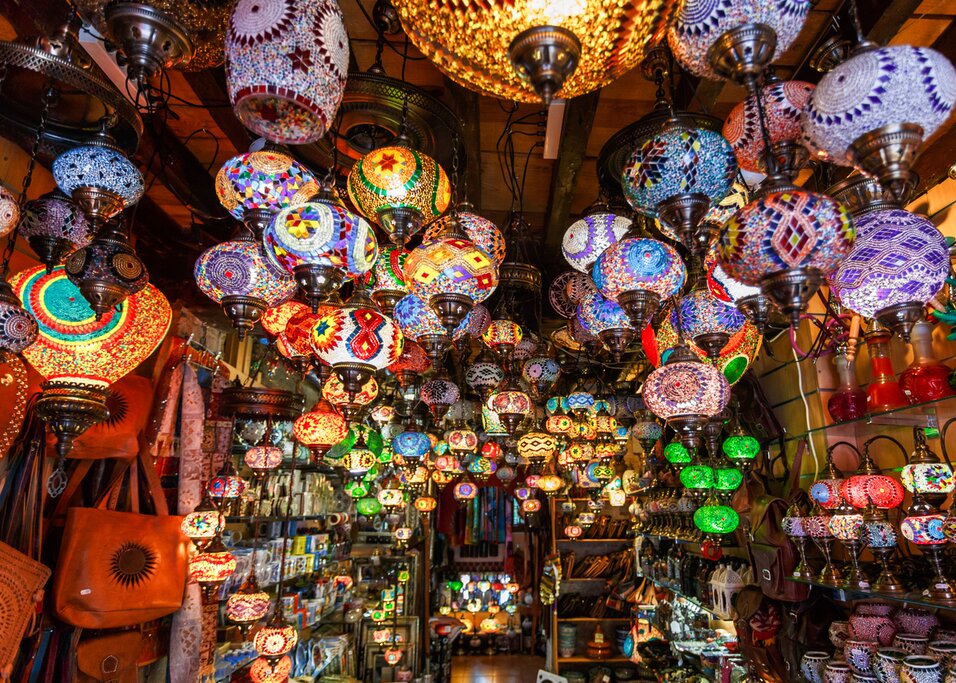
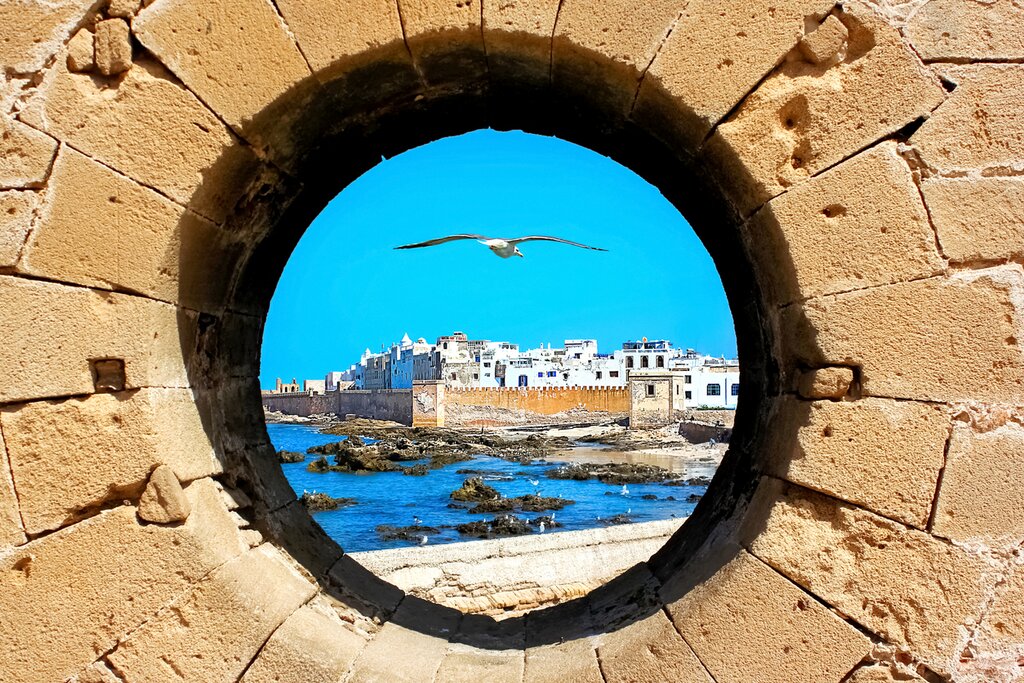
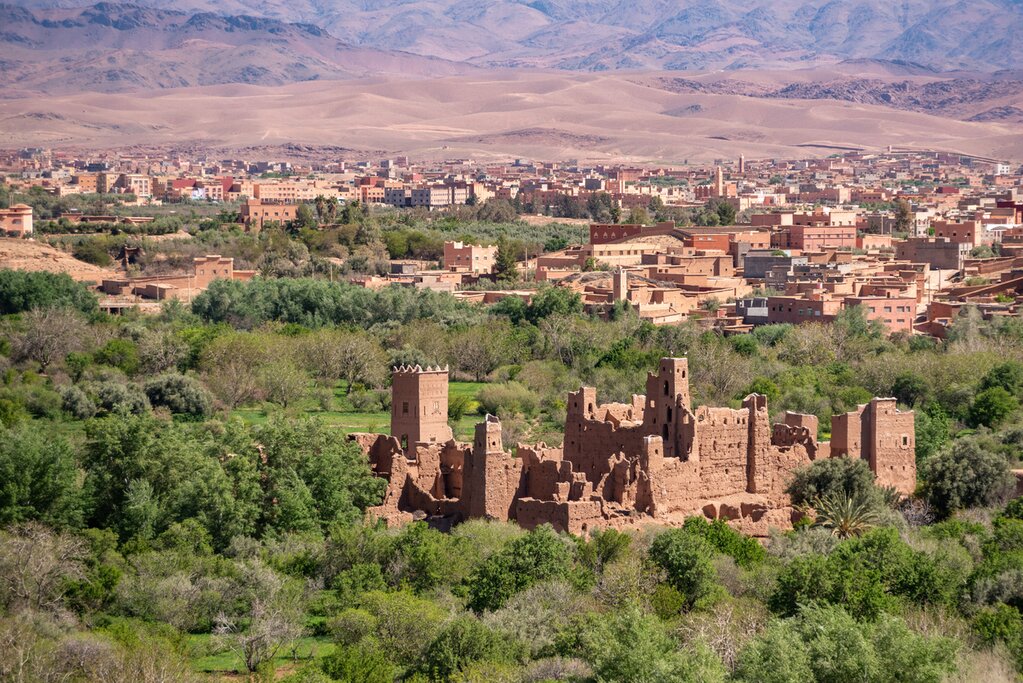
Photos from the tour





Itinerary
Open a day to see the detail: transport, accommodation, meals and activity time.
Day 1 Marrakech, dinner at a family home
Marrakech opens with its warmest card: airport pickup, riad check-in, and dinner cooked and shared at a family home in the medina — recipes without cookbooks, seconds without negotiation, and the trip's tone set at the table.

Day 2 The Red City, guided
The Red City guided: Bahia, the Saadian Tombs, the souk arteries with their logic revealed. The afternoon stays open — a garden, a rooftop, or reconnaissance for the finale's food tour.

Day 3 To Imlil via the Moulay Brahim gorge
South into the range by the scenic door: the Moulay Brahim gorge and Asni's valley to Imlil, mule capital of the High Atlas. An arrival walk among walnut terraces, then a mountain-lodge night with Toubkal filling the window.

Day 4 Toubkal National Park on foot
Toubkal National Park on foot — the full-day version: waterfall detours, the pilgrim shrine, ridge paths with the valley stacked in green steps below, and a family-table lunch that ends all debate about Moroccan hospitality. Four to five satisfying hours.

Day 5 Aït Ben Haddou
Over the Tizi n'Tichka and straight to the south's marquee: Aït Ben Haddou at golden hour, guided through the earthen lanes to the granary viewpoint while the light performs. Night within the ksar's orbit.

Day 6 Berber villages of the Dades
East to Boumalne Dades and back on foot: an afternoon trek among the valley's mudbrick hamlets — figs, irrigation channels, kasbahs in every state of dignity — with the gorge's rock theatre as constant backdrop.

Day 7 Sunset camels at the Erg Chebbi
The desert draws you in: Tinghir's palmery, Rissani's caravan lanes, and Merzouga's golden-hour camels into the Erg Chebbi. Camp — ensuite tents, lantern dinner, drums, celestial excess.

Day 8 Desert adventures around the erg
The full dune day: crest sunrise, 4×4 lines through the sand sea, gnawa at Khamlia, nomad tea on the reg — the Sahara lived rather than glimpsed, with a second night if your itinerary carries one or the road west if not.

Day 9 The Draa valley to Zagora
The wild stage: south-west through N'Kob's kasbah village and the Saghru's black volcanic moonscape — nearly trafficless, wholly spectacular — dropping to the Draa's palms at Agdz and on to Zagora, gateway of the deep desert.

Day 10 Fossils of the Zagora desert
Zagora's stony side: a fossil day among hills that were once sea floor — trilobites and orthoceras surfacing under the hammer — with Tamegroute's green-glazed pottery and ancient library as the afternoon's counterpoint.

Day 11 Ouarzazate and the weavers
North up the Draa's million palms to Ouarzazate, where the loom takes the afternoon: a Berber carpet demonstration — knots, wools, symbols, and the honest economics — with buying entirely optional and pressure entirely absent.

Day 12 Saffron country to Taroudant
West through the spice's homeland: Taliouine's saffron cooperative for picking lore and gram-true grading, then walled Taroudant — the Souss's 'little Marrakech' — for ramparts, twin souks and a courtyard dinner.

Day 13 Up the coast to Essaouira
The Souss opens to the Atlantic: argan country (goats aloft, statistically), Agadir's bay in passing, and the coast north to Essaouira — gulls, ramparts, and two sea nights beginning.

Day 14 Cooking class and the old port
Market to table: a Essaouira cooking class from stall-shopping to shared lunch, then the old port at strolling pace — the sqala's cannons, the blue fleet, sardines at the source. The wind edits all itineraries; let it.

Day 15 Back to Marrakech: steam and street food
Back to Marrakech for the double finale: a traditional hammam — steam, black soap, the kessa scrub — and an evening street-food tour through the smoke and lantern-light of the medina's best queues.

Day 16 Majorelle and departure
The cobalt farewell: Majorelle's garden at opening time, calm before the crowds, then your airport transfer. Sixteen days south of the watershed — crafts learned, summits neighboured, two deserts crossed.

A route of real variety in lodgings — riads, kasbah inns, a desert camp, mountain gîtes — all chosen and briefed ahead. The N'Kob–Zagora stage is remote and glorious; logistics are ours, views yours. March–May and September–November are ideal.
Included in your tour
- Private air-conditioned 4×4 or minivan with English/French-speaking driver-guide — 16 days
- Pickup at Marrakech airport or your hotel
- Nights 1–2: Marrakech riad (2 nights) — half-board
- Nights 3–4: mountain lodge, Imlil (2 nights) — half-board
- Night 5: kasbah hotel, Ait Ben Haddou — half-board
- Night 6: Boumalne Dades hotel — half-board
- Nights 7–8: luxury ensuite desert camp (2 nights) — half-board
- Nights 9–10: luxury ensuite desert camp (2 nights) — half-board
- Night 11: kasbah hotel, Ouarzazate — half-board
- Night 12: Taroudant hotel — half-board
- Nights 13–14: Essaouira riad (2 nights) — half-board
- Night 15: Marrakech riad — half-board
- Guided visit of Marrakech with a licensed local guide (Day 2)
- Guided visit of the Aït Ben Haddou ksar (UNESCO)
- Camel trek in the dunes
- Moroccan cooking class
- Traditional hammam session
- Guided food tour
- 4×4 desert excursion
- Gnawa music visit in Khamlia
- Traditional dinner at a family home
- Visit of a women's argan cooperative
- Drop-off at your Marrakech hotel or at the airport
Not included
- International flights
- Lunches and beverages
- Entrance fees to monuments and historical sites (optional — pay directly)
- Tips for guide and driver
- Personal expenses
- Travel insurance (recommended)
Explore more
Desert tours Marrakech Merzouga & the Sahara Zagora & the Draa High Atlas Essaouira
Questions travellers ask
How much does Southern Morocco Tour – 16 Days: Sahara, Atlas & the Atlantic cost?+
From €2400 per person, per person. The price includes private air-conditioned 4×4 or minivan with english/french-speaking driver-guide — 16 days, pickup at marrakech airport or your hotel, nights 1–2: marrakech riad (2 nights) — half-board. You receive a written itemised quote before paying anything — no hidden fees.
How long is this tour and when does it depart?+
16 Days, departing on the dates you choose — there is no fixed schedule, because every departure is arranged for you alone.
Is this a group tour or private?+
Fully private: your own vehicle, driver and licensed guide, never seat-in-coach and never mixed with other travellers. The daily pace flexes around you.
Where is the desert in Morocco?+
South and east of the Atlas mountains. The named destinations, in order of distance from Marrakech: the Agafay stone desert 45 minutes away (no sand dunes), the Zagora dunes down the Draa valley at 360 km, Erg Chigaga beyond M'Hamid where the tarmac ends, and the great Erg Chebbi dune sea at Merzouga, 560 km out — the Sahara of the photographs.
How much of Morocco is desert?+
Broadly, everything south and east of the Atlas watershed is arid or Saharan — roughly half the country by area. The photogenic sand seas are actually small pockets of that expanse: Erg Chebbi and Erg Chigaga are each a day's drive apart, islands of dunes in a vast landscape of stone, oases and kasbah valleys.
What should I wear on a Morocco desert tour?+
Layers, always: desert days can hit 30°C while nights drop near freezing outside summer. The working formula is light long sleeves and trousers for sun and camels, a warm fleece or jacket for the camp evening, closed shoes for sand and stones, sunglasses, and a scarf (a cheche) — bought in any souk for a few dirhams — for sun, wind and the photograph. Luggage stays in the vehicle; you carry a small overnight bag to the camp.
How far is the Sahara desert from Marrakech?+
The honest ladder: the Agafay stone desert is 45 minutes away (no sand dunes, but real desert scenery); the first true Sahara dunes at Zagora are 360 km — about 6 hours over the Tizi n'Tichka; the great Erg Chebbi dunes at Merzouga are 560 km — 8 to 9 hours, which is why serious itineraries take 3–4 days. There is no Sahara 'day trip' from Marrakech worth the name — anyone selling one is selling Agafay.
More answers in the “The desert experience” chapter of our Travel FAQ →
Itinerary and prices last updated October 2026.