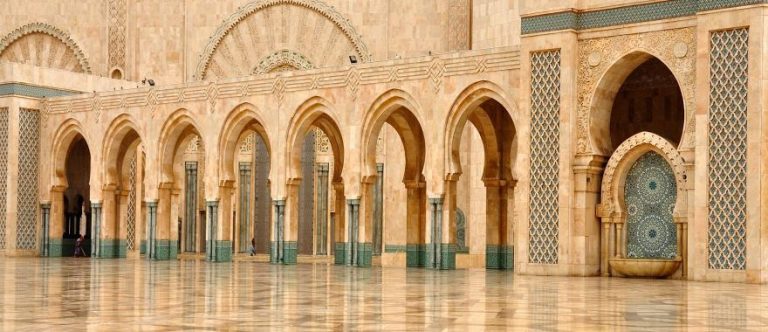
Morocco Adventure Tour – 15 Days: Marrakech to Essaouira the Long Way
- Private vehicle & driver — Pick-up at your riad, pace set by you
- Local licensed guide — Licensed guide nº2898 · since 2011
- Book on WhatsApp — Reply within 1 hour · no payment at this stage
- Two hiking days — the Imlil valley and the Dadès on foot
- Two deserts — the Erg Chebbi and Zagora via the wild Saghru road
- Taroudant, the walled 'little Marrakech' of the Souss
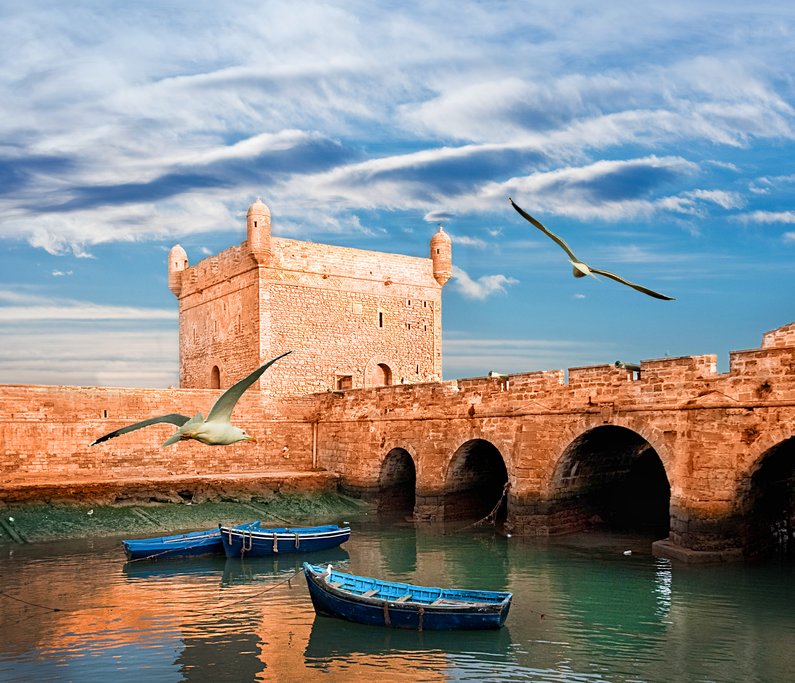


This private 15-day circuit from Marrakech costs from €2250 per person — your own vehicle, driver and licensed guide, never in a group. The route reaches Imlil, Aït Ben Haddou and Dades; hotels and a night at a Sahara camp are included.
| Duration | 15 Days |
| Price | From €2250 per person — car, driver and accommodation included |
| Departures | Your dates — every departure is private, never a shared group |
| Languages | English- and French-speaking driver-guides; licensed city guides where included |
| Booking | WhatsApp +212 661 454 738 — written quote within 1 hour, no payment at this stage |
Fifteen days entirely south of the imperial circuit — the adventure cut of the grand tour. Marrakech opens it, then boots on: the Imlil valley under Toubkal, a walking day in the Dadès, the Erg Chebbi’s dunes, the wild Saghru road to Zagora’s deeper desert, and the long arc through saffron country and walled Taroudant to Essaouira, where a cooking class and a beach finish the job.
This is the route for travellers who measure a trip in terrain: two mountain ranges, two deserts, one ocean, and villages all the way. The comforts stay real — riads, kasbah inns, an ensuite camp — but the days are built to be lived outdoors, at walking or camel pace wherever the map allows.
Private vehicle and driver-guide throughout; licensed mountain guides for the walking days; camps and kasbah hotels chosen for their settings.
Fifteen days entirely south of the Atlas, from €2250 per person: Marrakech, then Imlil and a real day hiking its valley, Aït Ben Haddou, the Dades valley on foot, sunset camels and a full desert day at Merzouga, the wild Saghru and the Draa down to Zagora, and — the rarity — Taroudant, “little Marrakech”, before Essaouira and the coast.
The south is where Morocco’s adventure lives, and this route walks it rather than watching it: three genuine hiking days, two desert days, and towns like Taroudant and Zagora that the imperial circuits never reach.
Active travellers and returning visitors who fell for the south the first time choose this one. Moderate fitness is enough — the walks are days, not treks. Private on your dates: WhatsApp us and the day-by-day quote comes back within the hour.
Who this tour is for: adventurers taking the long way from Marrakech to Essaouira — fifteen days earning the ocean. With less appetite for road days, Morocco Tour with Agafay Desert – 15 Days keeps camps closer to the cities; two-week classicists go Best of Morocco.
The long way is the point: Marrakech to Essaouira direct takes three hours, and this route takes thirteen days — over the Atlas at Imlil on foot, through the Dadès on foot again, to the Merzouga dunes, down the Saghru and the Draa to Zagora, then out west through walled Taroudant, the little Marrakech without the crowds. It is the itinerary for travellers who treat a map’s empty spaces as the destination; the cooking class and food-tour finale restore the calories honestly earned.
- Two hiking days — the Imlil valley and the Dadès on foot
- Two deserts — the Erg Chebbi and Zagora via the wild Saghru road
- Taroudant, the walled 'little Marrakech' of the Souss
- Saffron country and the argan coast en route
- Cooking class in Essaouira and a hammam-and-food-tour Marrakech finale
Photos from the tour





Itinerary
Open a day to see the detail: transport, accommodation, meals and activity time.
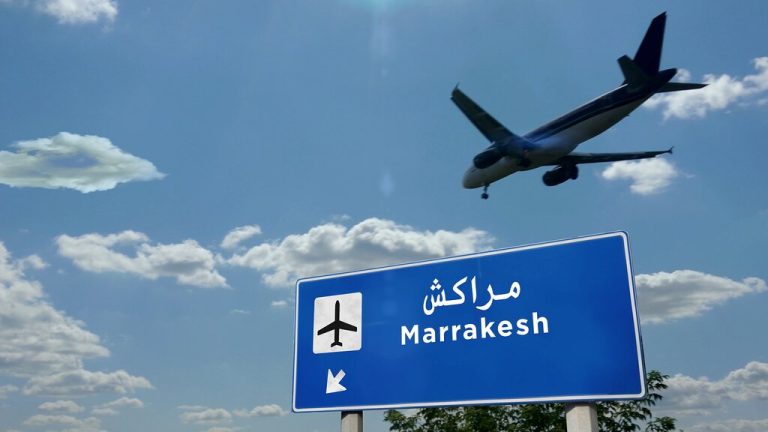
Day 1 Arrival in Marrakech
Marrakech receives you with its usual theatre: airport pickup, a riad in the lanes, and Jemaa el-Fna at dusk for the opening scene — grill smoke rising, storytellers gathering their circles, the Koutoubia floodlit above it all. Dinner on a rooftop overlooking the square; sleep early if you can, because this fortnight is built on morning light.
Day 2 Marrakech, the Red City
The Red City with a licensed guide, because context earned now pays dividends all trip: the Bahia Palace's cedar ceilings, the Saadian Tombs' astonishing chamber, the souk arteries mapped lane by lane with their guilds explained. The afternoon stays free — the hammam makes a strong case, and so does the rooftop you found yesterday.

Day 3 Into the Atlas: Imlil
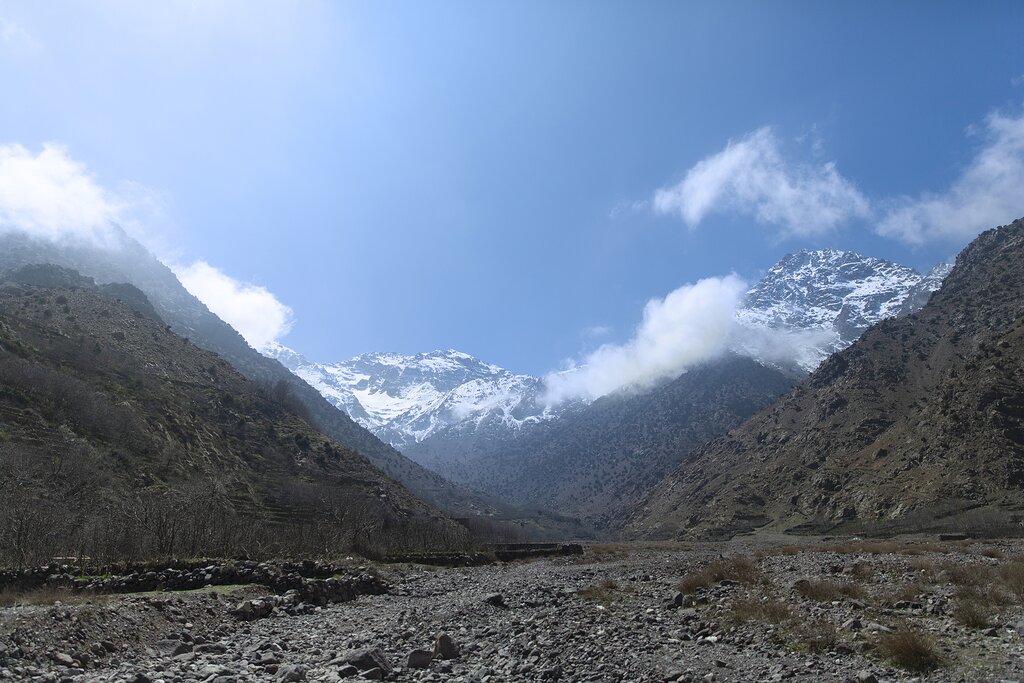
South into the High Atlas by the scenic door: through the Moulay Brahim gorge and Asni's Saturday-market valley to Imlil at 1,740 m, where mules outnumber motors and Toubkal's wall fills the sky. An acclimatising walk among walnut terraces, tea on a village rooftop, and a mountain-lodge night with woodsmoke and stars.

Day 4 Hiking the Imlil valley
A full day on Imlil's paths with a licensed mountain guide: up past the waterfalls to the pilgrim shrine at Sidi Chamharouch or around the Aroumd bowl, terraced fields climbing to scree, mule trains passing with polite bells. Lunch at a family table where the tagine arrives with oven-warm bread and refusal is not a recognised option. Four to five hours of the Atlas at its most habitable.

Day 5 Imlil — Aït Ben Haddou
Over the Tizi n'Tichka — 2,260 m of switchbacks and viewpoint mint teas — and off the tourist clock by afternoon: Aït Ben Haddou at golden hour, when the day-trip buses have gone and the earthen towers keep the light to themselves. A guided climb to the granary viewpoint, then a night within the ksar's orbit, blue hour included.

Day 6 The Dadès valley on foot
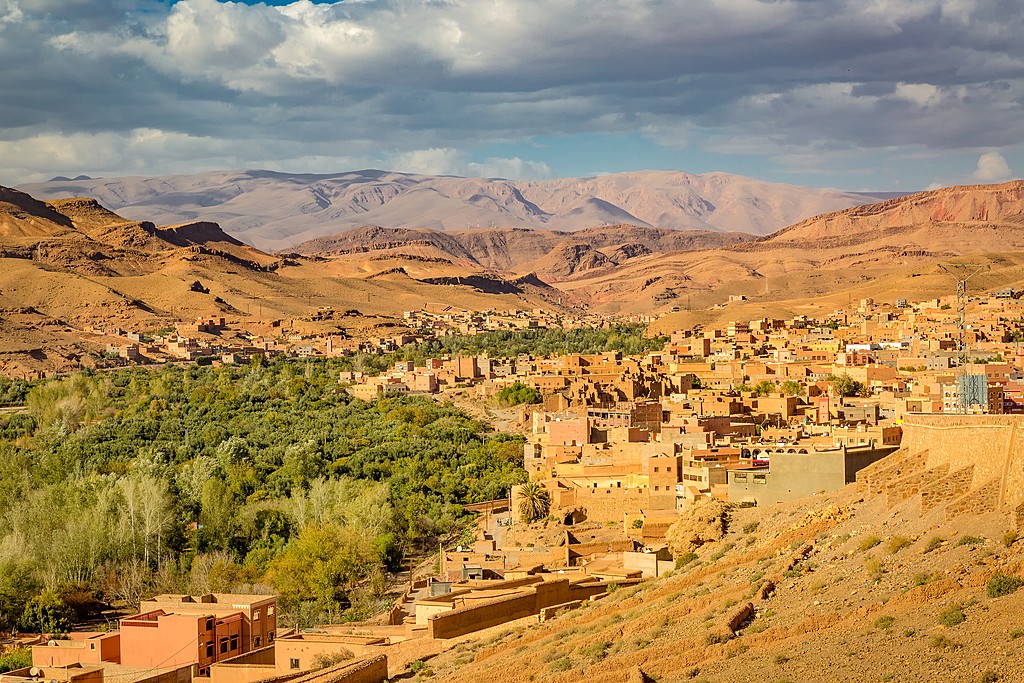
East to the Dadès, but on foot where it counts: a guided valley walk among figs, walnut channels and mudbrick hamlets, with the gorge's rock theatre — those melted-organ formations — for a backdrop. The kasbahs come in every state from ruin to renovation, and each has an opinion. Kasbah-inn night above the river, valley lights below.
Day 7 To Merzouga — sunset camels
The desert draws you in through its anterooms: Tinghir stacked above its palmery, Rissani's caravan-town lanes where the Alaouite dynasty began, and finally Merzouga, where camels take the golden hour into the Erg Chebbi. Camp: ensuite tents, lantern dinner, drums at the fire, and the first of two nights under a sky that resets your definitions.

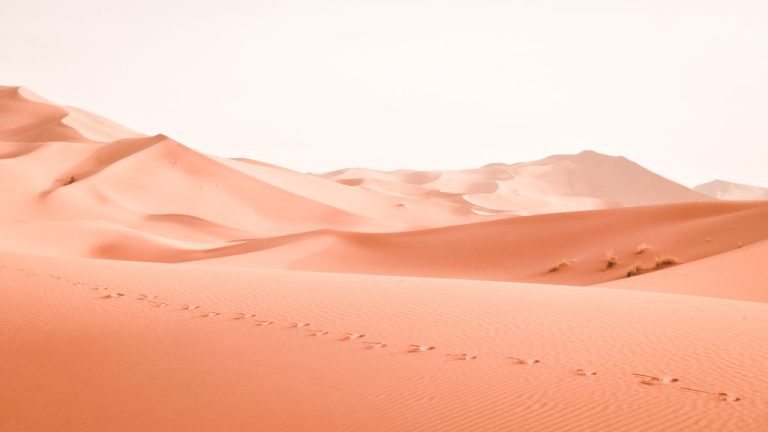
Day 8 Desert day at Merzouga
The full Sahara day: sunrise from the crest (fifteen minutes of climbing, permanent returns), 4×4 lines through the dune sea, gnawa rhythms with Khamlia's musicians, tea with a nomad family on the black reg — and the luxury of an afternoon with nothing in it but shade and sand. The second night is when the silence signs its name.
Day 9 The Saghru and the Draa to Zagora
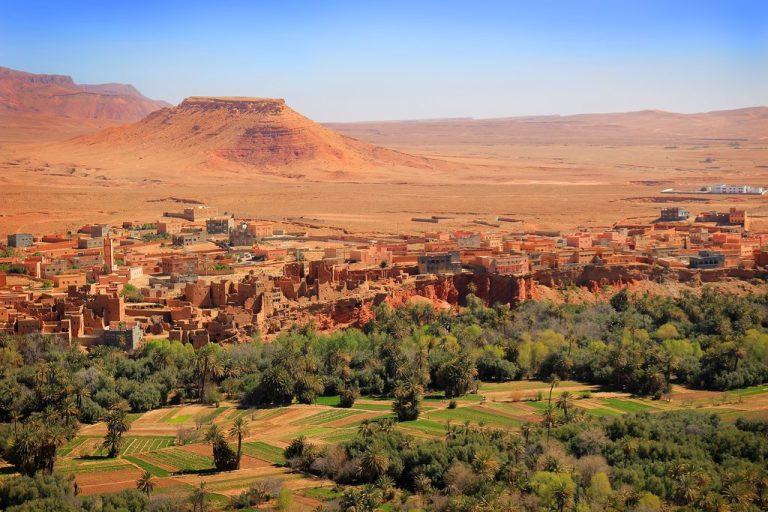
The route's wild card: south-west on the Saghru road — black volcanic country, nomad tents at distances, almost no traffic and views that make the driver slow down unprompted — dropping through N'Kob's kasbah village and Agdz's palm groves to Zagora, historic gateway of the deep desert, where the caravans once counted 52 days to Timbuktu.
Day 10 Zagora — Ouarzazate
Zagora's stony morning: fossil country where the hammer surfaces trilobites and orthoceras from what was once sea floor, and Tamegroute's green-glazed pottery kilns and ancient library for the afternoon's counterpoint. Then north up the Draa — a hundred kilometres of palms between kasbah walls — to Ouarzazate for the night.
Day 11 Taroudant
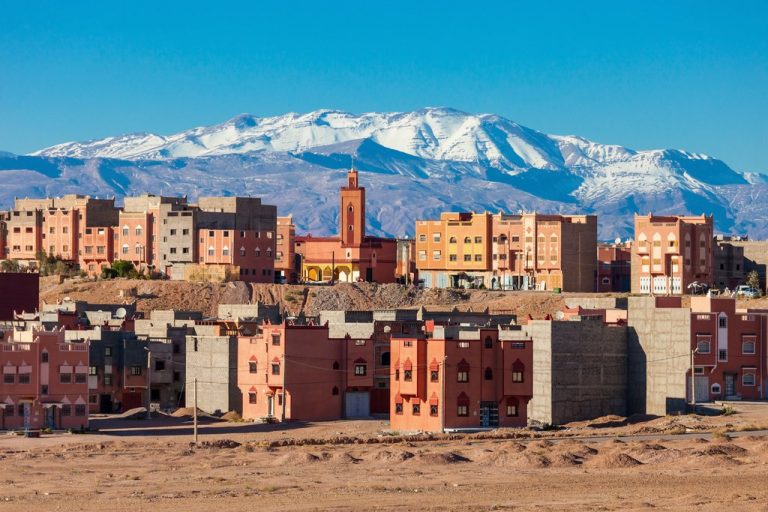
West through the spice's homeland: Taliouine, where the world's most precious crop is picked at dawn in autumn and graded gram by gram at the cooperative — the saffron lore alone is worth the stop. Then walled Taroudant, the Souss's 'little Marrakech' with a tenth of the visitors: ochre ramparts, twin souks, and a courtyard dinner in the old town.

Day 12 Taroudant — Essaouira
The Souss opens to the sea: down through argan country — goats aloft in the trees with statistical reliability — past Agadir's great bay, and up the coast to Essaouira. Wind, gulls, ramparts, the blue fleet at rest: two sea nights begin, and the trip begins its long exhale.

Day 13 Cooking class in Essaouira
Market to table: an Essaouira cooking class that starts among the produce rows and fish stalls with a chef who knows every vendor, and ends with a lunch you built yourselves — tagine technique, salad architecture, the correct violence of mint tea pouring. The afternoon is for the beach, the galleries or the ramparts café circuit.

Day 14 Back to Marrakech: hammam and food tour
Back to Marrakech for the finale in two acts: a traditional hammam — steam, black soap, the kessa glove's honest scrub, argan oil to finish — and an evening food tour through the medina's best queues: grill stalls, olive bars, msemen griddles, the sweet windows locals defend by name.

Day 15 Departure
Departure from Marrakech, boots dustier and standards permanently raised: two mountain ranges walked, two deserts crossed, one ocean reached — the south, done completely, with the crafts of saffron, carpets and argan met at their sources.

The walks need ordinary fitness (3–5 h on village paths, vehicle support near); the Saghru stage is remote and spectacular — fuel, water and timing are ours to manage, the views yours. March–May and September–November are ideal.
Included in your tour
- Private air-conditioned 4×4 or minivan with English/French-speaking driver-guide — 15 days
- Pickup at Marrakech airport or your hotel
- Nights 1–2: Marrakech riad (2 nights) — half-board
- Nights 3–4: mountain lodge, Imlil (2 nights) — half-board
- Night 5: kasbah hotel, Ait Ben Haddou — half-board
- Night 6: kasbah hotel, Dades Gorges — half-board
- Nights 7–8: luxury ensuite desert camp (2 nights) — half-board
- Night 9: luxury ensuite desert camp — half-board
- Night 10: kasbah hotel, Ouarzazate — half-board
- Night 11: Taroudant hotel — half-board
- Nights 12–13: Essaouira riad (2 nights) — half-board
- Night 14: Marrakech riad — half-board
- Guided visit of Marrakech with a licensed local guide (Day 2)
- Guided visit of the Aït Ben Haddou ksar (UNESCO)
- Camel trek in the dunes
- Moroccan cooking class
- Traditional hammam session
- Guided food tour
- 4×4 desert excursion
- Gnawa music visit in Khamlia
- Drop-off at your Marrakech hotel or at the airport
Not included
- International flights
- Lunches and beverages
- Entrance fees to monuments and historical sites (optional — pay directly)
- Tips for guide and driver
- Personal expenses
- Travel insurance (recommended)
Explore more
Marrakech Merzouga & the Sahara Zagora & the Draa High Atlas Essaouira
Questions travellers ask
How much does Morocco Adventure Tour – 15 Days: Marrakech to Essaouira the Long Way cost?+
From €2250 per person, per person. The price includes private air-conditioned 4×4 or minivan with english/french-speaking driver-guide — 15 days, pickup at marrakech airport or your hotel, nights 1–2: marrakech riad (2 nights) — half-board. You receive a written itemised quote before paying anything — no hidden fees.
How long is this tour and when does it depart?+
15 Days, departing on the dates you choose — there is no fixed schedule, because every departure is arranged for you alone.
Is this a group tour or private?+
Fully private: your own vehicle, driver and licensed guide, never seat-in-coach and never mixed with other travellers. The daily pace flexes around you.
How many hours is it from Marrakech to Essaouira?+
About 2 and a half to 3 hours for the 190 km, on a good road through argan country — most trips break it at a women's argan cooperative. It works as a day trip, but one night in the medina shows you the town after the day-trippers leave.
What is Essaouira like?+
A flat, walled, gallery-lined medina on the Atlantic — windier, calmer and cooler than Marrakech in every sense. The rhythm is fishing port plus artists' town: blue boats unloading the catch, gulls in the rigging, ramparts with cannon, and no motorbikes in the lanes. It is where trips go to exhale.
What should you buy in Essaouira?+
Two things above all: thuya-wood marquetry, the local craft worked from the burl of a tree that grows only in this region, and argan oil bought at a cooperative rather than a tourist stall. The gallery scene is also real — Essaouira sells art, not just souvenirs — and the sales pressure is famously gentler than Marrakech.
What does Essaouira mean?+
The Arabic name is usually translated as 'the little rampart' or 'the well-walled' — fitting for a town defined by its 18th-century fortifications. Europeans long knew it by its Portuguese-era name, Mogador.
More answers in the “Essaouira & the Atlantic coast” chapter of our Travel FAQ →
Itinerary and prices last updated October 2026.