★★★★★ Rated 4.5/5 — 204 Google reviews · 576 reviews · 5.0/5 on Tripadvisor · Written by a licensed Marrakech tour operator, on the road since 2011
Marrakech has no closed season — but it absolutely has better and worse months, and the difference shapes everything from your energy to your photographs. The city’s calendar, judged honestly.
The golden windows: March–May and September–November
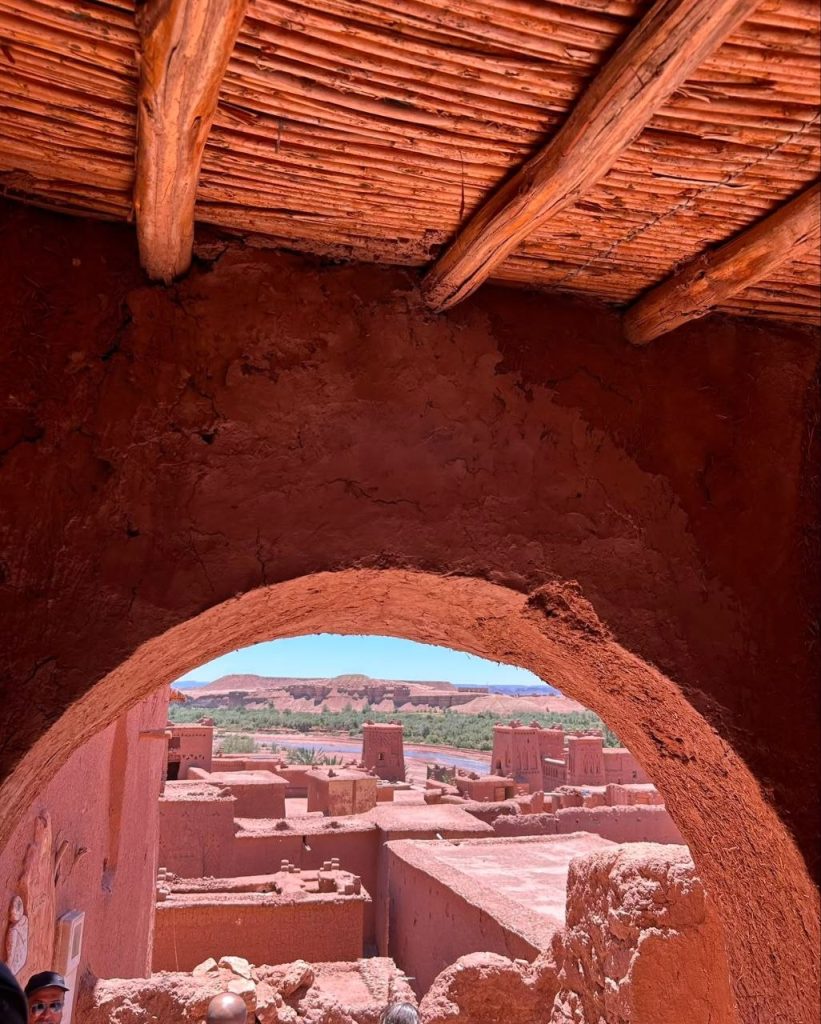
Warm days made for rooftops, cool evenings made for the square, gardens at their fullest. These are the city’s headline months — book riads early, especially over Easter and October half-terms. April light on the ochre walls is the postcard.
Winter: December–February
The connoisseur’s secret — sunny 18–20°C afternoons, crisp nights, snow visible on the Atlas from the rooftops (the best free view of the year). Pack a real jacket for evenings; riads are built for summer and mornings bite. Reward: thin crowds and gentle prices outside the New Year fortnight.
Travelling over the holidays? Here is exactly what Christmas and New Year in Morocco 2026 look like — weather, what’s open, and the desert option. And if the budget question nags, our honest ledger answers is Marrakech expensive, price by price.
Summer: June–August
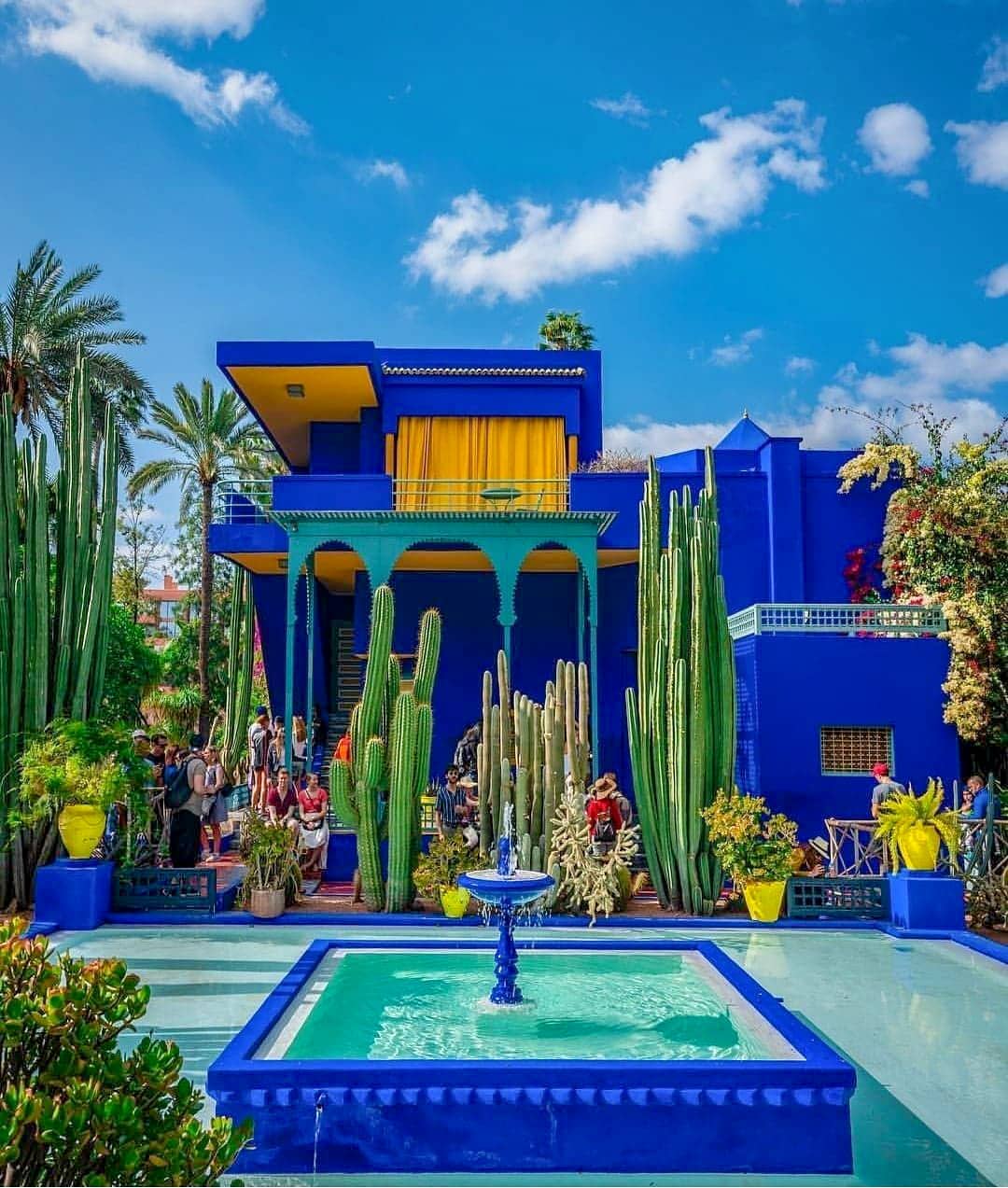
Hot — regularly past 38°C — but not unworkable if you adopt the local rhythm: souks and monuments before 11am, pool or shaded courtyard through the furnace hours, the city reborn after six. August evenings on Jemaa el-Fna are among the year’s liveliest. Heat-averse travellers should simply choose another season; the full strategy is in our Morocco-wide timing guide.
The verdict by traveller
First trip: spring or autumn. Photographers: winter light plus Atlas snow. Budget hunters: January and June. Combining with the desert: October–April, no contest. Whatever the month, the city works best with early mornings — and a plan built around the light rather than against it.
Everything on this page can be woven into a private itinerary — start from Morocco city breaks or book the 7-day Imperial Cities circuit, and we shape the rest around you.
Salma Benkirane — Salma writes about the Marrakech that sits one layer beneath the postcards — riad architecture, garden history, the hammam ritual, and where the city's craftspeople actually work. She spends most of her research time walking: a route is only recommended here after she has timed it, priced it and found the shade along the way. Her favourite hour in the city is the one just after the dusk call to prayer, when the lanes north of the Ben Youssef Medersa go quiet.