★★★★★ Rated 4.5/5 — 204 Google reviews · 576 reviews · 5.0/5 on Tripadvisor · Written by a licensed Marrakech tour operator, on the road since 2011
Once you know the canon, the real chase begins: the dishes locals drive across town — or across the Atlas — to eat. Twelve deeper cuts, and where each one hides.
The celebration tier
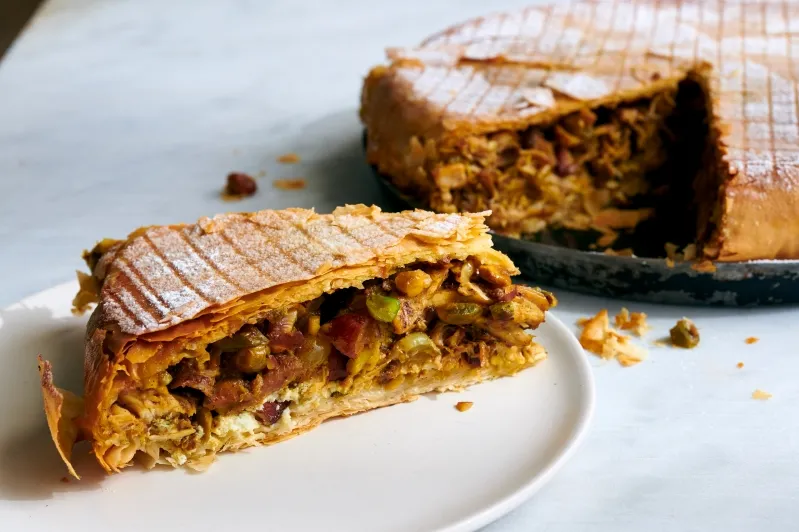
Pastilla — Fes’s sweet-savoury pie, worth ordering a day ahead from a dar that makes it properly. Rfissa — shredded msemen under chicken, lentils and fenugreek broth: Morocco’s greatest comfort dish, rarely on tourist menus. Seffa — sweet steamed vermicelli crowned with cinnamon, dinner and dessert at once. Mrouzia — honeyed lamb with raisins, the Eid special.
The regional pilgrimages
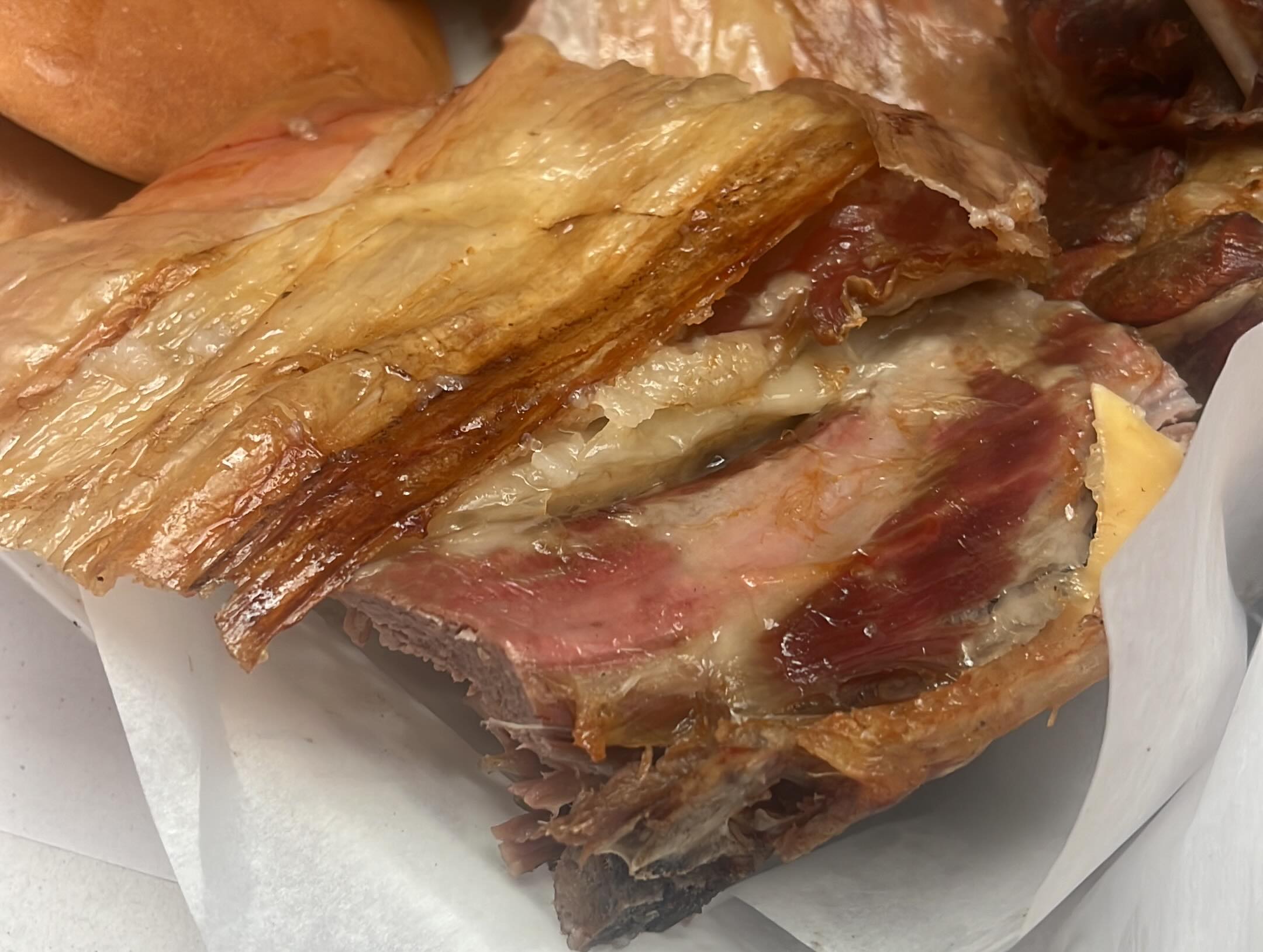
Madfouna near Rissani; amlou in argan country between Essaouira and Agadir; sardines chermoula at any Atlantic port grill; bissara steaming through northern winters; khlii — Fes’s confit dried beef — with eggs at breakfast if you dare gloriously.
The street tier
Maakouda — potato fritters in a sandwich, the people’s lunch; babbouche — the snail broth of Jemaa el-Fna, braver than it tastes; sfenj — morning doughnuts on a palm string, eaten walking.
Hunting them properly
Half these dishes never reach menus — they live in homes, festival days and specialist stalls, which is exactly why our food-lovers’ routes exist: a guide who knows which family, which alley, which day. Tell us your must-eats on plan your journey and we will build the chase into the route.
Everything on this page can be woven into a private itinerary — start from a private Marrakech day with a food-savvy guide, and we shape the rest around you.
Samira El Idrissi — Samira writes about Moroccan cooking and the culture around it: souk produce, home kitchens, street food you can trust your stomach to, and the pastry trays that appear whenever a Moroccan family decides you look thin. She tests the food safety advice she gives, which her colleagues consider either dedication or recklessness depending on the week.