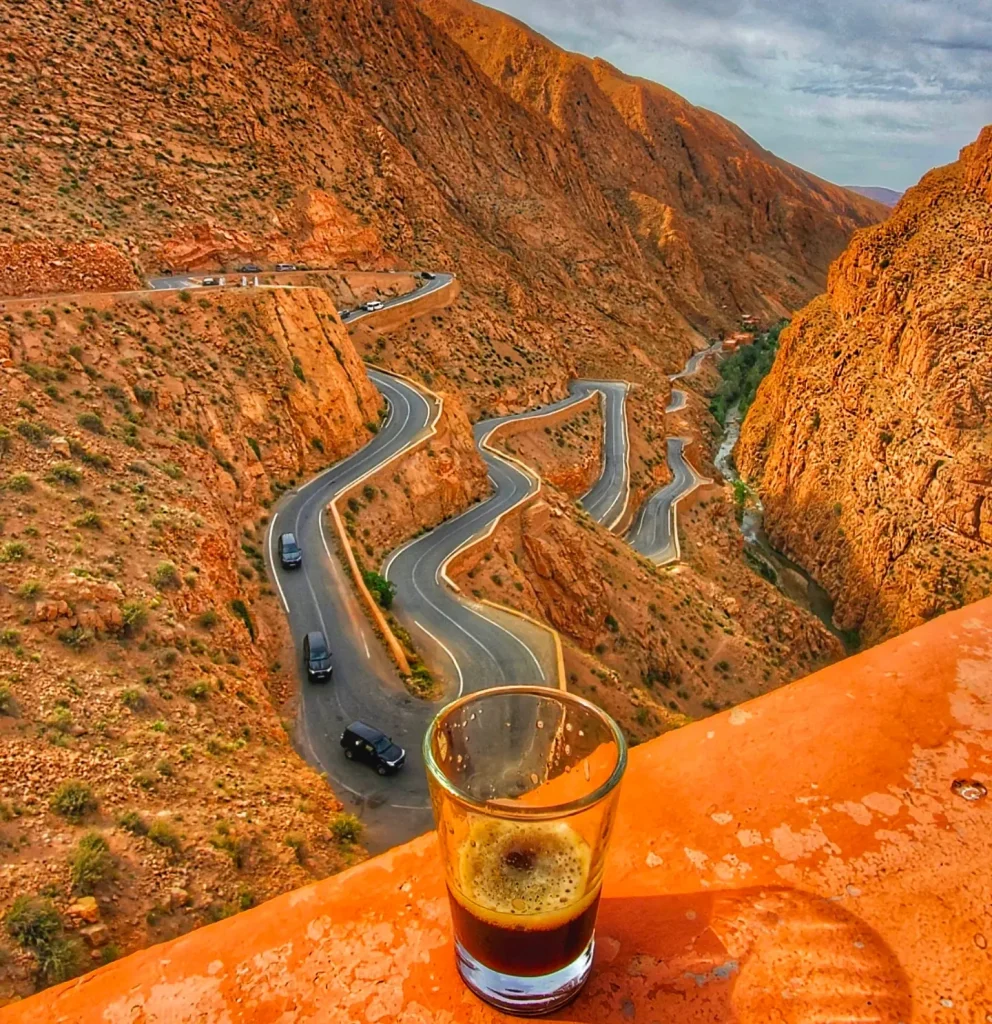
The most important Moroccan city most travellers never hear of lies in low mud waves outside Rissani: Sijilmassa, founded in 757, the northern port of the Sahara — where the gold of West Africa surfaced from the desert crossing and entered the Mediterranean world. For six centuries, Europe’s ducats and dinars began here.
Its logic was geography: last water, first market. Caravans of a thousand camels staged in the Tafilalet’s palms before the two-month crossing to the Niger; salt went south, gold and kola came north, and Sijilmassa taxed, minted and banked the exchange. Chroniclers describe kilometres of walls, palaces, a mosque city rich enough to strike its own dinars — coins traced today from Cairo to Andalusian hoards.
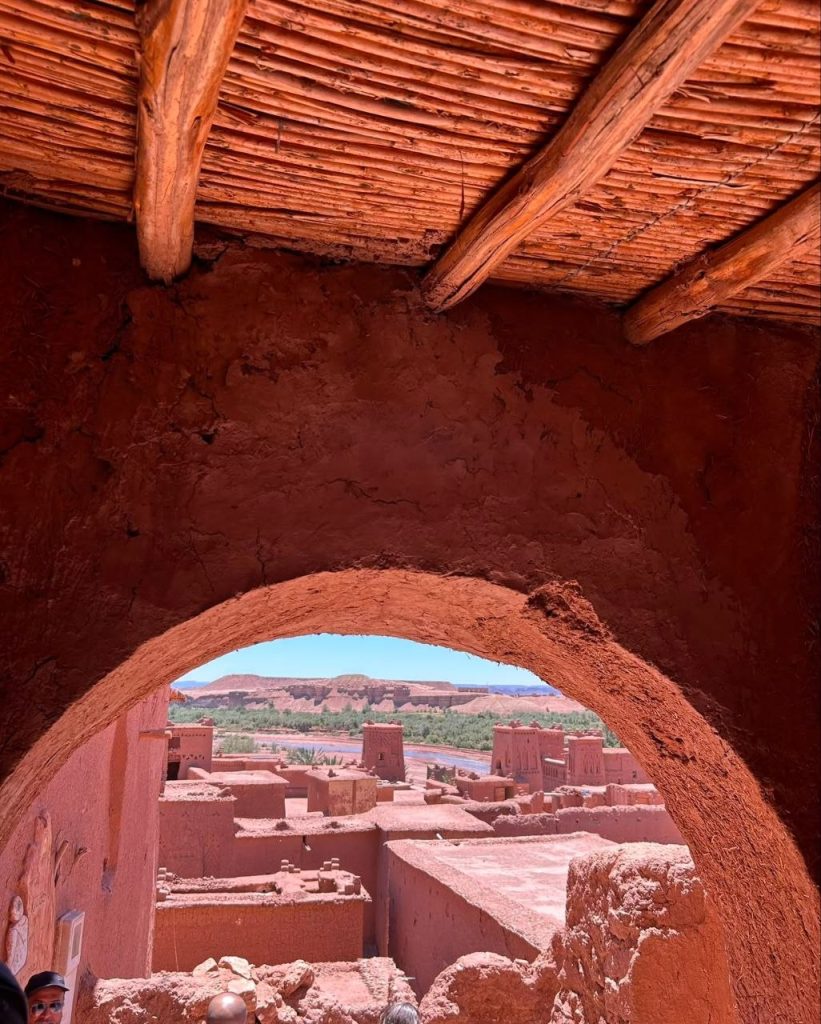
History spent the wealth: dynastic wars, the nomad sack of 1393, trade routes drifting west, and finally the 1818 destruction of what remained. The desert reclaimed its banker. What waits today are eroded ramparts drawing their long rectangles, gate stumps, the mosque’s re-erected fragments and shard-strewn ground where archaeologists (notably long American-Moroccan campaigns) mapped the metropolis under the mounds.
Honesty defines the visit: this is a site for the historical imagination — unfenced, unticketed, unlabelled — and it repays exactly the context you bring. With a guide walking you from mint quarter to gate line, the gold road rises from the dust; without one, you have photogenic bumps at sunset.
Ten minutes from Rissani’s mausoleum and souk, it completes the Tafilalet’s history hour on any Merzouga circuit — the roots beneath the dunes’ postcard.
Dates on WhatsApp; we bring the metropolis back up from the mud as you walk it.
- Medieval metropolis of the trans-Saharan gold and salt trade
- Founded 757 — for centuries the Sahara's great northern port
- Minted the gold that fed Mediterranean economies
- Eroded walls, gates and mosque traces on the Rissani outskirts
- A site for imagination as much as eyes — context is everything
Open ground, free, unfenced; a local guide or our own turns scattered mud into a metropolis — alone it reads as bumps. Combine with Rissani's mausoleum and souk. Sunset flatters the ruins' geometry.