★★★★★ Rated 4.5/5 — 204 Google reviews · 576 reviews · 5.0/5 on Tripadvisor · Written by a licensed Marrakech tour operator, on the road since 2011
To understand almost anything in Morocco — the hospitality, the souk theatre, why your driver greets forty people a day — start here: family and community are the country’s operating system, and visitors are processed, warmly, through the same code.
The extended family as institution
Households commonly span generations; cousins function as siblings; weddings mobilise entire quarters for days. Elders are deferred to instinctively — watch how younger Moroccans greet them — and children are everyone’s business, doted on by strangers in ways that startle then charm visiting parents (travelling with kids here is easier for it).
Community beyond the family
The neighbourhood — the derb — runs on shared institutions: the communal bread oven, the hammam, the mosque, the corner shop that knows every household’s tab. The old twiza tradition of collective labour still raises village roofs in the Atlas. Privacy exists behind riad walls; the street between them is common ground.
What this means for the guest
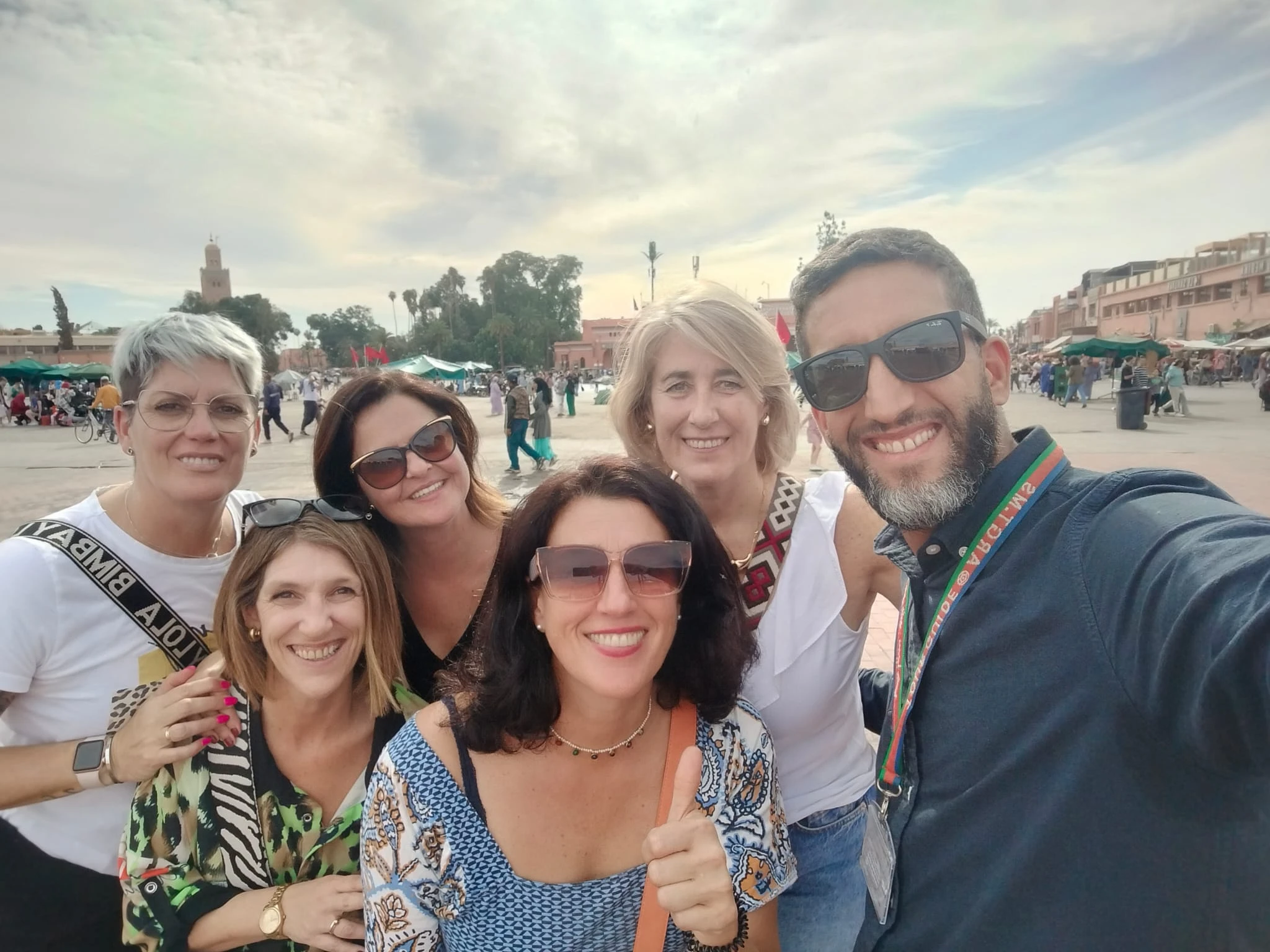
Hospitality is not marketing — hosting well is core identity, which is why invitations come fast and refusing them entirely disappoints. Personal questions (married? children?) are friendliness, not intrusion; answer lightly and ask back. And “connections” grease daily life honestly: your guide’s forty greetings are the infrastructure your smooth day runs on.
Meeting it for real
The operating system shows itself at family tables, village visits and souk-day crowds more than at monuments — our private routes are engineered to include exactly those rooms. The etiquette for moving through them well: the culture FAQ.
Everything on this page can be woven into a private itinerary — start from historical sites of Morocco or book the 7-day Imperial Cities circuit, and we shape the rest around you.
Abdellah Naciri — Abdellah covers culture and etiquette — the guest's guide to Moroccan life. His pieces explain the things locals rarely think to say out loud: how tea is offered and refused, what to wear where, how a moussem festival works, why Friday changes a town's rhythm. He writes them so that a first-time visitor can move through Morocco with ease rather than anxiety.