Casablanca is Morocco’s largest city — home to roughly 3.5 million people in the city proper and well past 4 million across the metropolitan area — and the gap to second place is wide. Here is the country’s urban league table and what each size actually means for a traveller.
The league table
After Casablanca come Fes and Tangier (each above a million and long trading places for second), then Marrakech and Salé (Rabat’s twin across the river), with the capital Rabat, Meknes, Oujda, Kenitra and Agadir completing the top ten. Figures shift with each census and boundary definition — the ranking above holds steady even as the numbers move.
Why the biggest isn’t the capital
Rabat holds the government; Casablanca holds the economy — the port (one of Africa’s largest), the stock exchange, the corporate towers and the Hassan II Mosque’s oceanfront statement. The division of labour is deliberate and old: political capital and commercial capital an hour apart on the same coast.
What size means for your trip
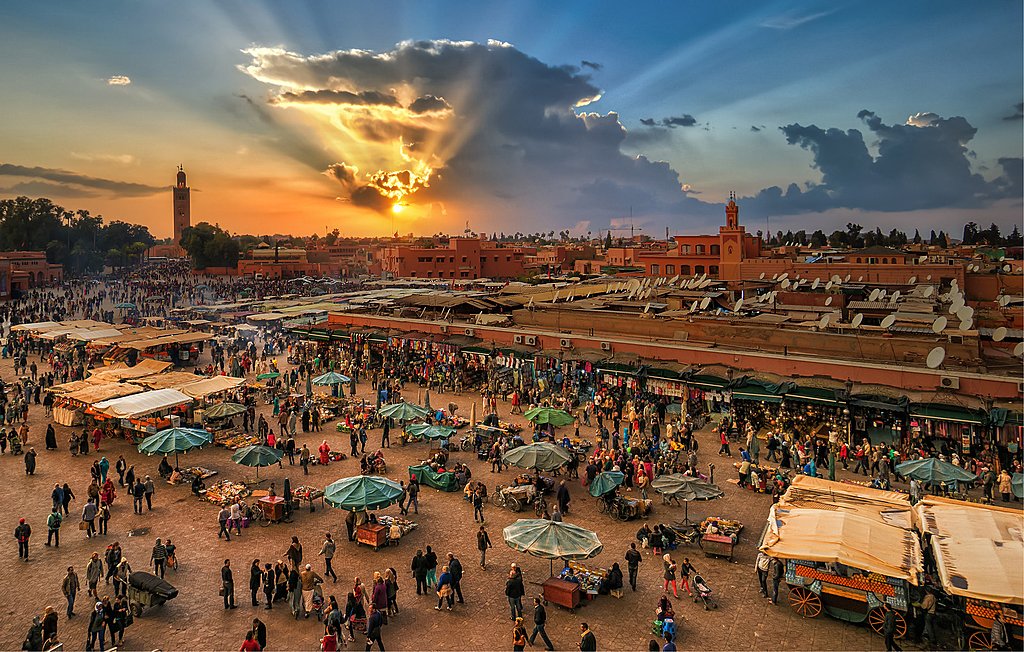
Interestingly, tourism inverts the table: Marrakech, fourth by population, is first by visitors, while giant Casablanca earns one good day. Fes’s million people include the world’s largest car-free medina (walking it here); Tangier’s million watch two continents. The lesson we build routes around: in Morocco, city size predicts commerce, not charm — and the 5-day four-cities circuit (from €750 per person) samples the spectrum deliberately. City-choice questions live in the cities FAQ.
Nadia Berrada — Nadia's beat is the imperial cities — Rabat and Fes above all. She came to travel writing from a family of Rbati craftsmen, which shows in what she notices: zellij patterns, cedar ceilings, the difference between a restored fondouk and a rebuilt one. Her guides lean practical — opening hours that are actually current, quarters worth staying in, and the train timings that make a two-city itinerary painless.


