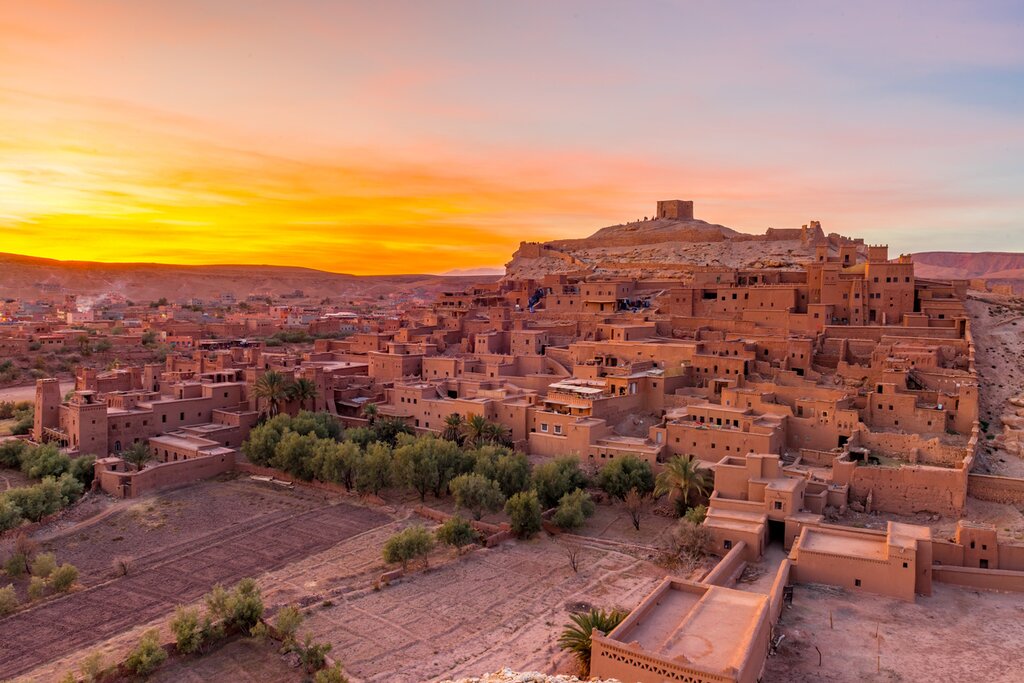
Marrakech will happily feed tourists beige international menus forever — or feed you unforgettably if you know where the city itself eats. This is the culinary map we give guests, dish by dish.
The square, done right
Jemaa el-Fna’s night stalls are an institution, not a trap — choose the crowded ones, eat grilled skewers and harira where turnover is fast. Then the specialists at the square’s edge: the snail-broth ladies, the spiced-tea sellers with their secret ras-el-hanout blends.
The dishes to hunt specifically
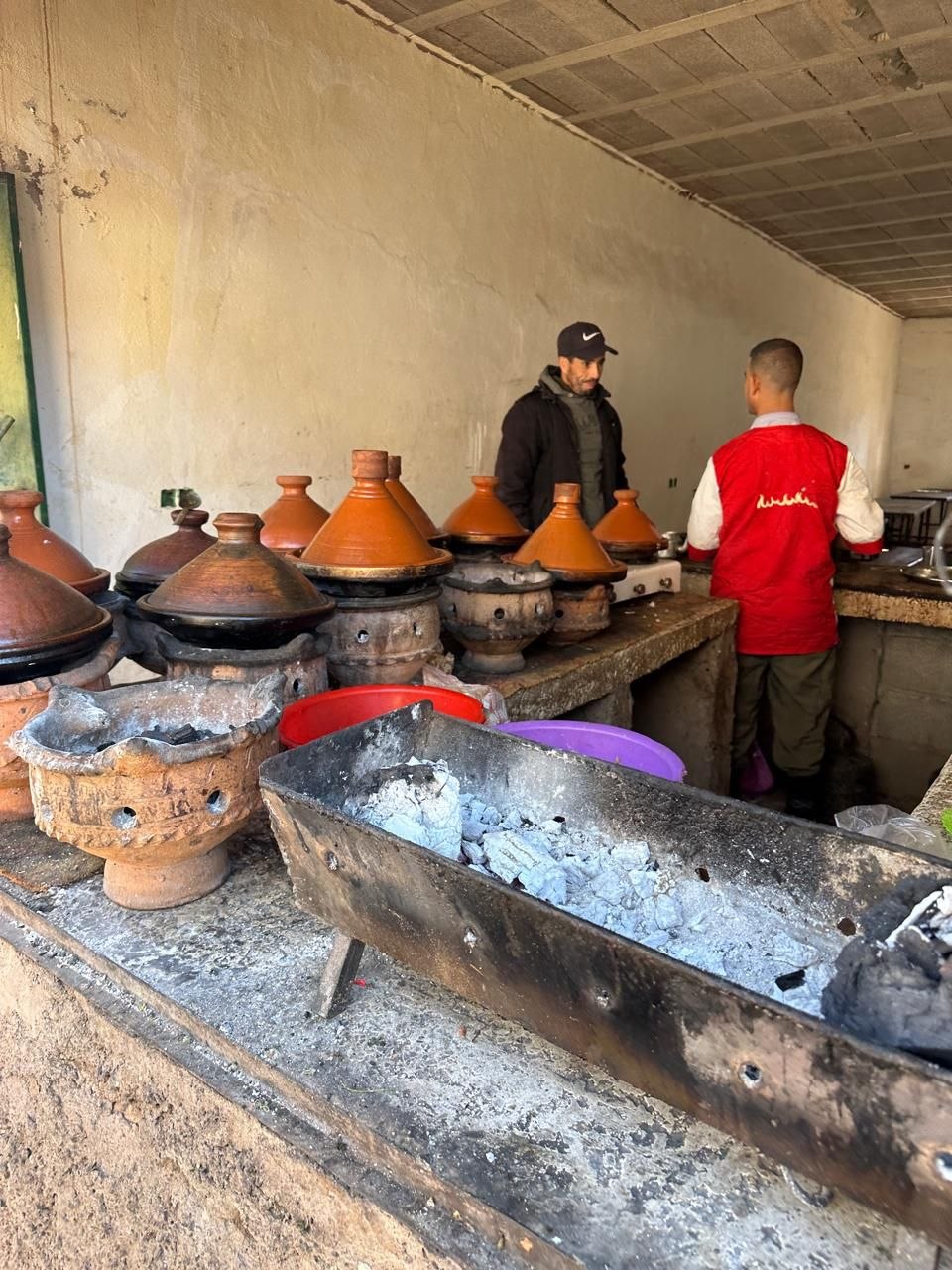
Tanjia — Marrakech’s own dish, beef slow-cooked overnight in hammam ashes; the workers’ lunch spots around the Mellah do the authentic version. Mechoui — pit-roasted lamb from the dedicated alley off the square, sold by weight, gone by early afternoon. Friday couscous — if a local invites you, cancel everything else. Msemen and amlou at breakfast, from any griddle with a queue.
Beyond the medina
Gueliz runs the modern kitchen scene — young Moroccan chefs reworking grandmother recipes — while garden restaurants in the palmery serve long lazy lunches under olive trees. Both deserve one evening of any week here.
Eating fearlessly
The street-food rules are simple: heat, turnover, peeled fruit, bottled water. A food-focused medina walk with a guide who eats there weekly beats any list — it is a standing request on our food-lovers’ routes, and a cooking class (market shopping included) turns eating into a skill you take home. The food FAQ answers the stomach-cautious questions honestly.
Samira El Idrissi — Samira writes about Moroccan cooking and the culture around it: souk produce, home kitchens, street food you can trust your stomach to, and the pastry trays that appear whenever a Moroccan family decides you look thin. She tests the food safety advice she gives, which her colleagues consider either dedication or recklessness depending on the week.