“Find a good restaurant” means five different things in Morocco, because the country eats at five different kinds of table. Match the table to the moment and you will eat brilliantly at every budget; mismatch it and you will wonder what the fuss was about.
1. The street counter
Grills, maakouda stands, harira pots: the country’s daily engine. A meal costs pocket change; the rule is follow the queue. Best for: lunch in motion, courage, stories.
2. The mahlaba and the popular canteen
Milk bars and workers’ diners — bissara breakfasts, tagine-of-the-day, mint tea refills. Zero décor, maximum honesty. Best for: eating like the city actually eats.
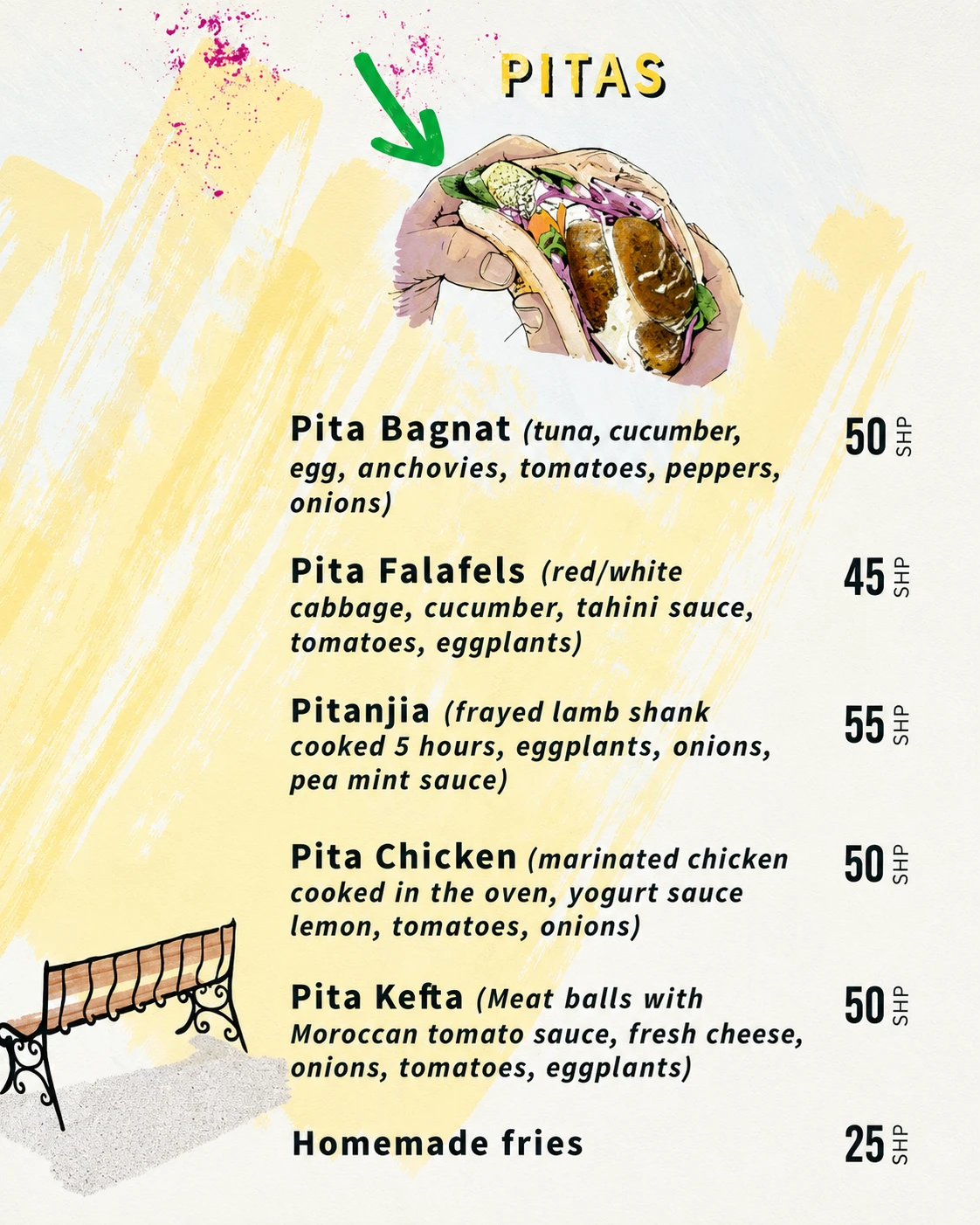
3. The dar table
Family houses serving set menus in courtyards — the closest a visitor gets to home cooking, pastilla ordered a day ahead. Best for: the celebration dishes restaurants rush.
4. The rooftop and the garden
Medina terraces at sunset, palmery gardens at lunch: you pay a view premium for honest-to-good food. Choose ones where Moroccans also celebrate. Best for: the golden-hour dinner every trip deserves once.
5. The new wave
Gueliz and Casablanca’s young chefs reworking grandmothers’ recipes with wine lists to match. Best for: seeing where the cuisine is going.
Booking the right mix
A great food day runs counter → dar → rooftop. We pre-book the tables worth booking along every food route — and tipping at each kind of table is decoded in the tipping guide.
Samira El Idrissi — Samira writes about Moroccan cooking and the culture around it: souk produce, home kitchens, street food you can trust your stomach to, and the pastry trays that appear whenever a Moroccan family decides you look thin. She tests the food safety advice she gives, which her colleagues consider either dedication or recklessness depending on the week.