Beef Tagine with Prunes: Morocco’s Celebration Dish
Food & Drink · July 2, 2026

Beef Tagine with Prunes: Morocco’s Celebration Dish

by Samira El Idrissi
Home  ›  Travel guides  ›  Food & Drink

If chicken tagine is Morocco’s weekday, beef with prunes is its Sunday best — the sweet-savoury centrepiece of weddings, feast days and any table trying to impress. Here is what it is, why it works, and how our kitchens build it.

The idea behind the dish

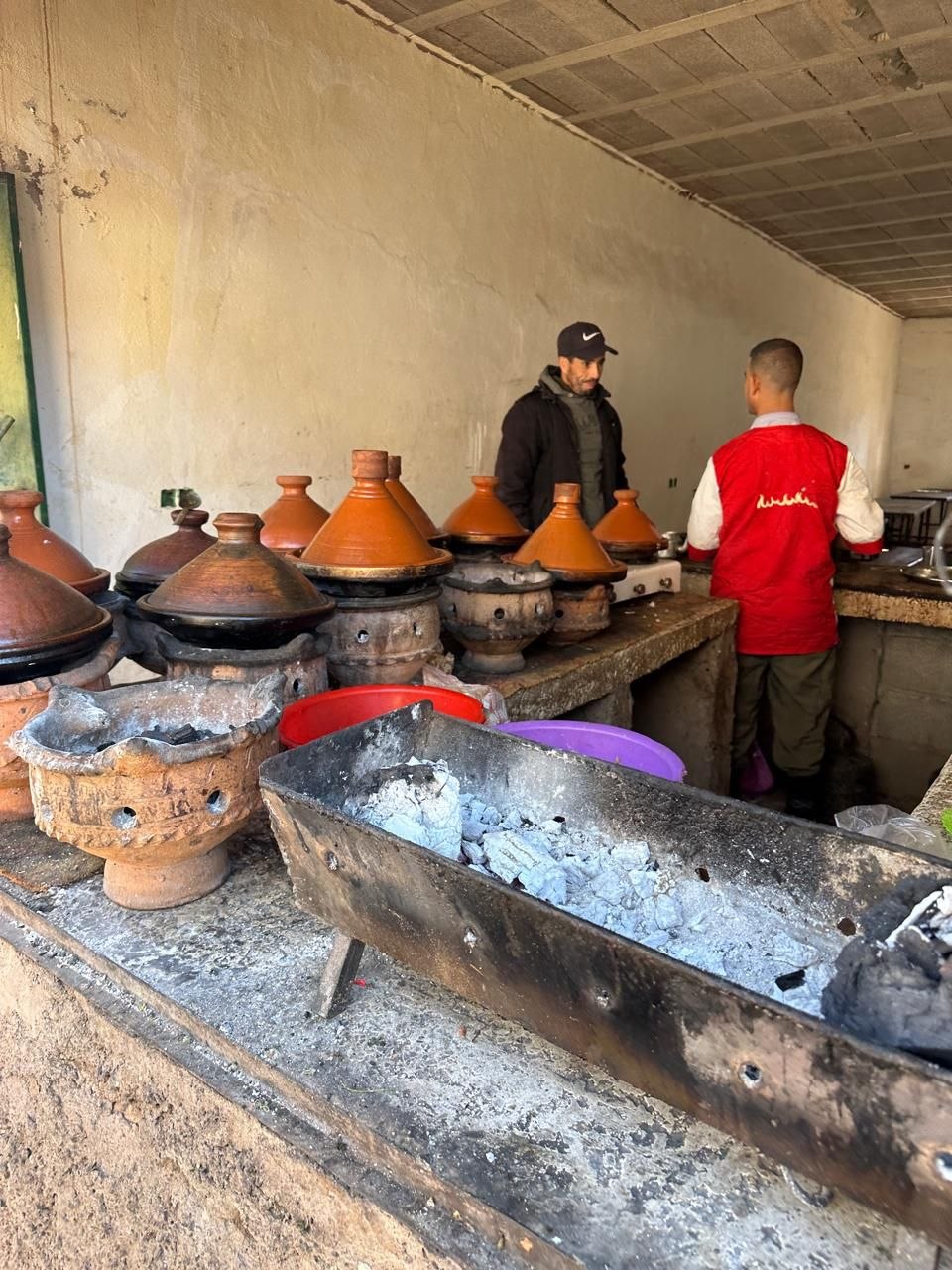
Slow-cooked beef in ginger, saffron and cinnamon, crowned with prunes simmered in honey and a scatter of fried almonds and sesame. The genius is the tension: deep savoury meat against glossy sweet fruit, held together by warm spice. One bite explains half of Moroccan cooking’s philosophy.
Beef Tagine with Prunes: Morocco's Celebration Dish

The method, from our cooking classes

1. Brown beef shank or cheek — cuts with collagen, never lean cubes — with grated onion, garlic, ginger, saffron and cinnamon stick. 2. Simmer low and covered until spoon-tender, two hours or a pressure-cooker shortcut. 3. Separately, cook prunes with honey, cinnamon and a little of the meat juice until lacquered. 4. Assemble at service: meat, prunes on top, fried almonds, toasted sesame. Bread mandatory; couscous traditionally absent.

Where to taste the reference version

Family tables first — this is a dish of homes — then the classic dadas’ kitchens of Fes and Marrakech. Our gastronomy-flavoured week includes both a home dinner and a cooking class; the food FAQ maps the rest of the menu worth chasing.

About the author

Samira El Idrissi — Samira writes about Moroccan cooking and the culture around it: souk produce, home kitchens, street food you can trust your stomach to, and the pastry trays that appear whenever a Moroccan family decides you look thin. She tests the food safety advice she gives, which her colleagues consider either dedication or recklessness depending on the week.

Keep reading

Questions travellers ask

What is a riad, and why do you use them?+

A traditional house built around a courtyard, converted into a small guesthouse — usually 6 to 12 rooms, family-run, inside the medina walls. You sleep inside the old city rather than beside it, and breakfast on the roof. Where medinas end, we use kasbah hotels, mountain lodges and desert camps.

What does half-board mean on my tour?+

Breakfast and dinner at your accommodation are included on the nights your inclusions list says so; lunches on the road are yours to choose — which is deliberate, because roadside grills, souk stalls and oasis cafés are half the fun. Budget €5–15 for a generous lunch.

Can you handle vegetarian, vegan, gluten-free or allergies?+

Yes — Moroccan cooking adapts well (vegetable tagines, couscous, salads, pulses), and camps and riads cook to order when warned. Tell us dietary needs at booking and we brief every kitchen on the route ahead of you.

Is there wifi everywhere?+

Riads and hotels: yes, usually decent in the courtyard and patchy in thick-walled rooms. Desert camps: little or none, on purpose. If you need to stay reachable, a local SIM is the answer.

More answers in the “Hotels, food & daily life” chapter of our Travel FAQ →

Turn the reading into a journey

The private tours below pass through the places this guide talks about — every departure is yours alone, on your dates.

Plan this trip on WhatsApp