★★★★★ Rated 4.5/5 — 204 Google reviews · 576 reviews · 5.0/5 on Tripadvisor · Written by a licensed Marrakech tour operator, on the road since 2011
Every visitor eats chicken tagine in Morocco; most who try it at home end up with stew in a funny pot. The difference is method, not ingredients — here is the version our cooks teach in classes, adapted for a normal kitchen.
What you need
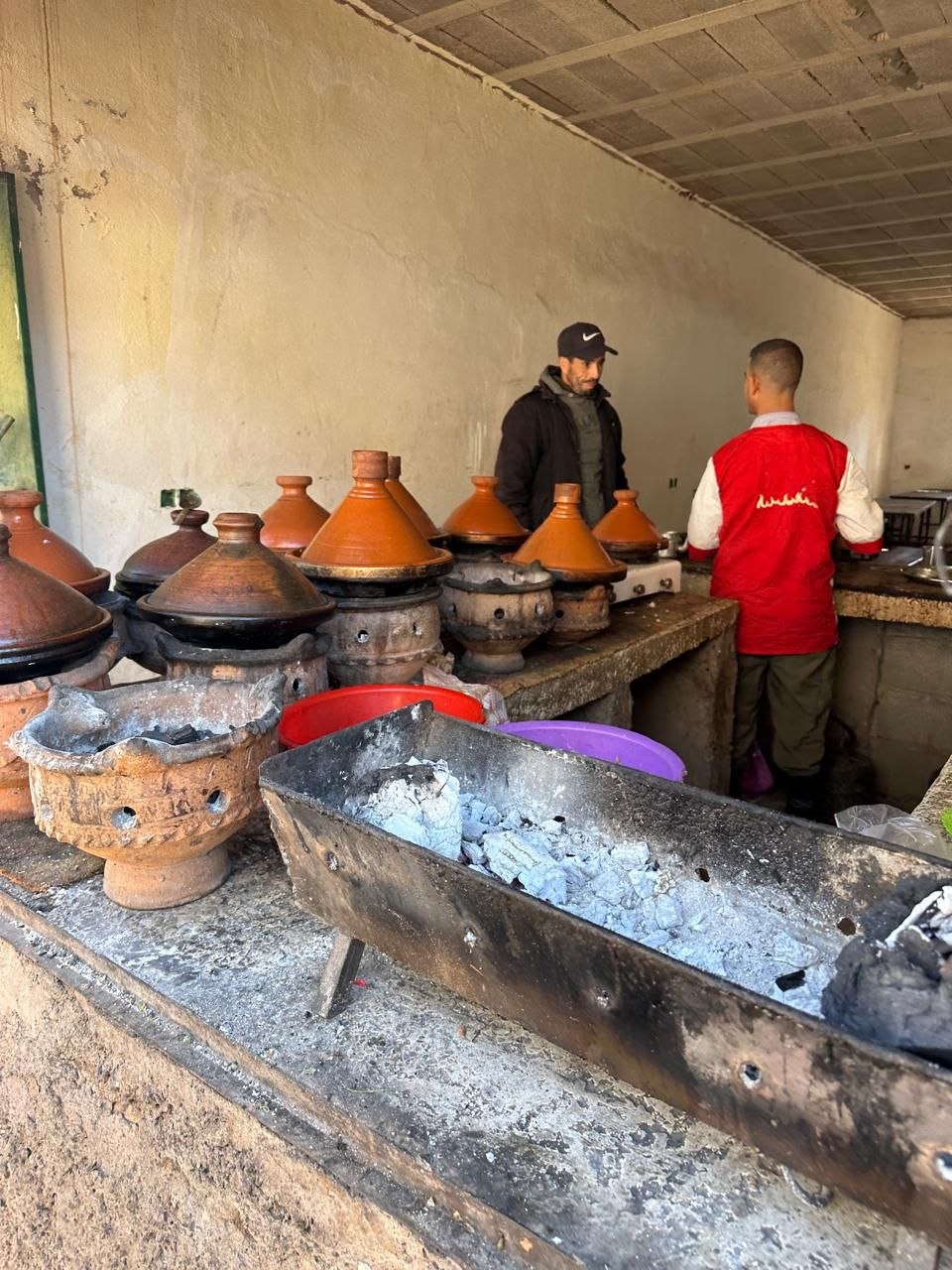
Chicken thighs (never breast — it dries), preserved lemon, good green or violet olives, onion, garlic, ginger, turmeric, a little saffron if you have it, fresh coriander and parsley. A tagine pot is lovely but a heavy casserole with a lid works honestly.
The method that matters
1. Grate the onion rather than chopping — it melts into the sauce, which is the texture secret. 2. Coat the chicken in the spices, garlic and herbs and let it sit 30 minutes. 3. Layer: onion first, chicken on top, a small glass of water down the side — never over the meat. 4. Cook LOW and covered, 45–60 minutes, resisting the urge to stir. 5. Add the olives and preserved-lemon quarters for the final 10 minutes only, so they perfume rather than dissolve.
The mistakes we see in class
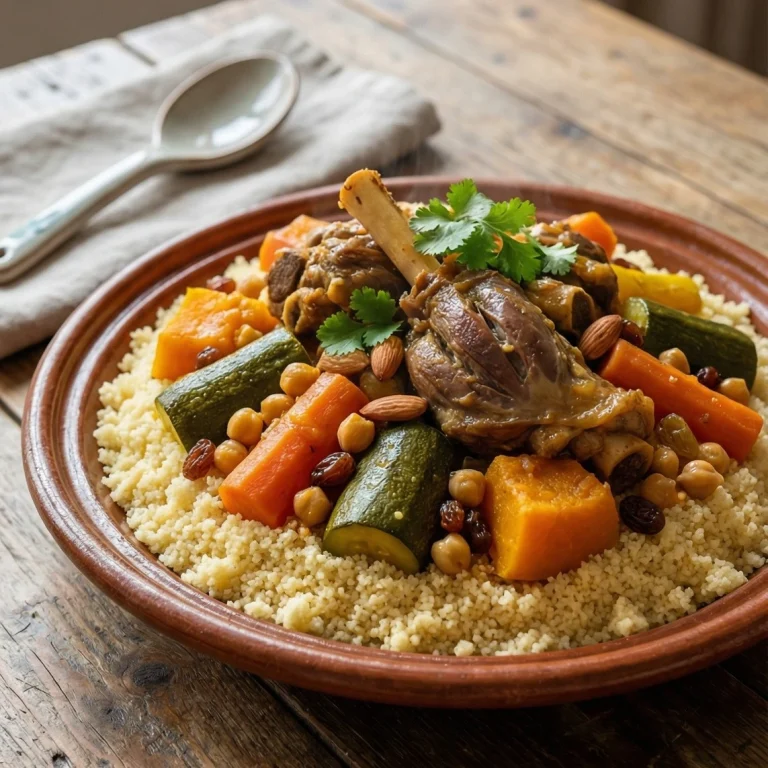
Too much liquid (a tagine self-bastes under its cone), heat too high (the bottom catches), and lemon added too early (bitterness). Serve with bread, not couscous — in Morocco couscous is its own Friday dish, never a tagine’s bed.
Taste the original first
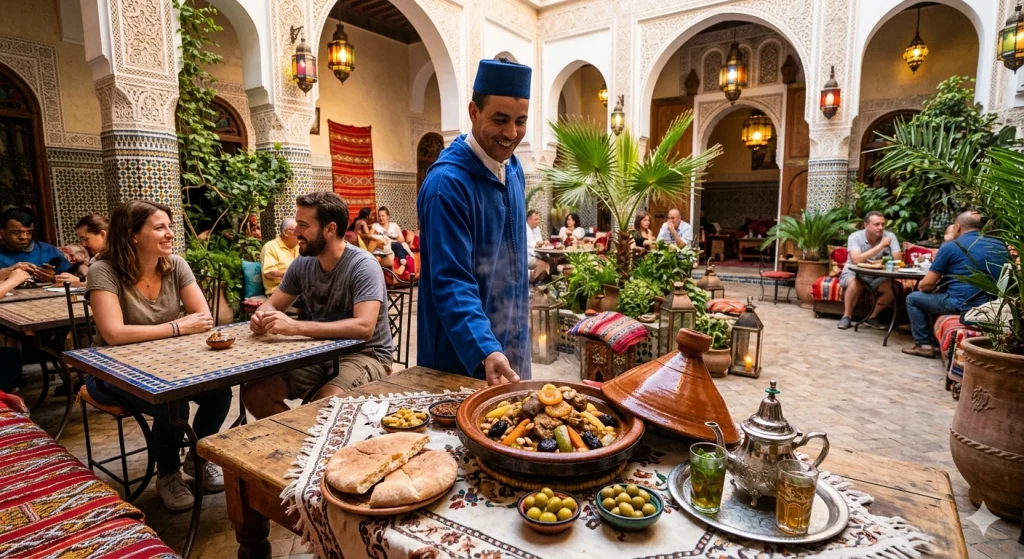
The reference version is worth the flight: our gastronomy-flavoured week includes a cooking class, and the food FAQ maps every dish worth chasing.
Everything on this page can be woven into a private itinerary — start from Morocco food & drink or book a private Marrakech day with a food-savvy guide, and we shape the rest around you.
Driss Bouzidi — Driss covers food and drink. He plans entire itineraries around a single dish — a Friday couscous in the Middle Atlas, a tanjia slow-cooked in Marrakech ashes, sardines at the Essaouira port — and then writes up where the detour is genuinely worth it. His restaurant notes favour places that feed locals on a Tuesday over places that photograph well.