★★★★★ Rated 4.5/5 — 204 Google reviews · 576 reviews · 5.0/5 on Tripadvisor · Written by a licensed Marrakech tour operator, on the road since 2011
Ask the world what Morocco means and you get a rush of images — mint tea, blue cities, camels at sunset. Here are the fifteen the country is genuinely known for, ranked by how much they deserve it, by people who live inside the postcard.
The deserved icons
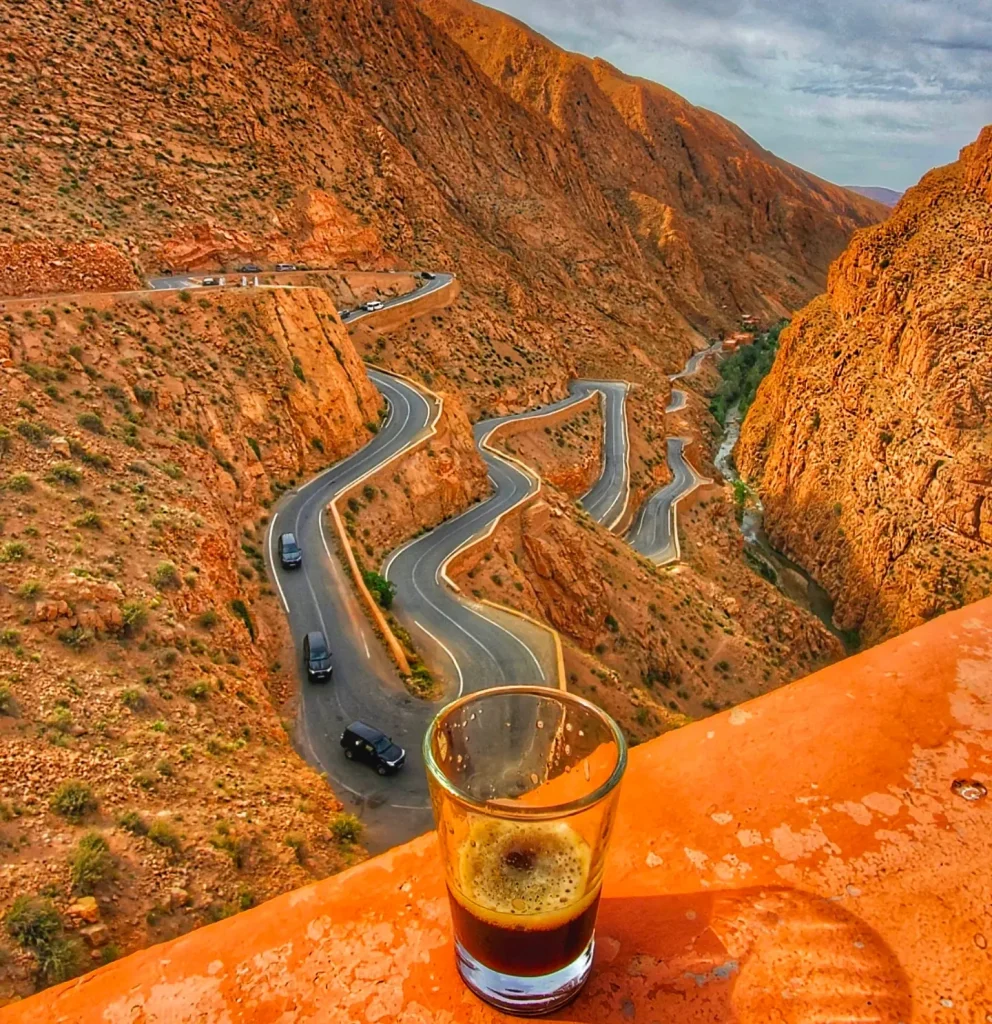
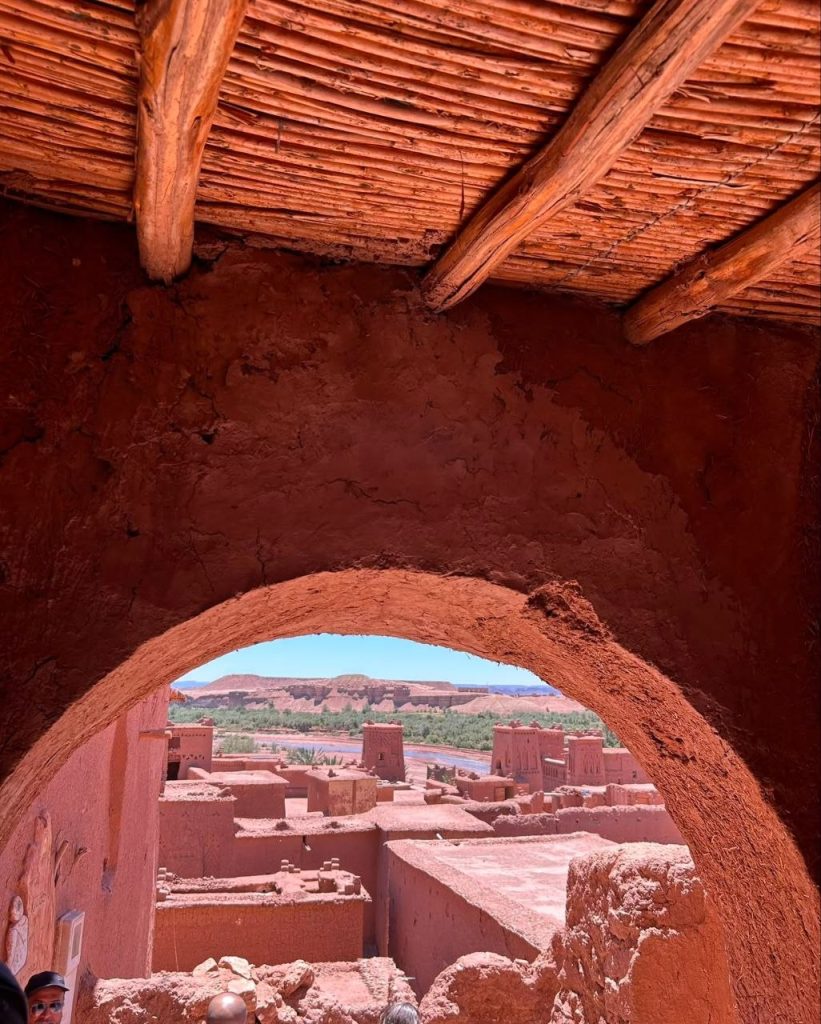
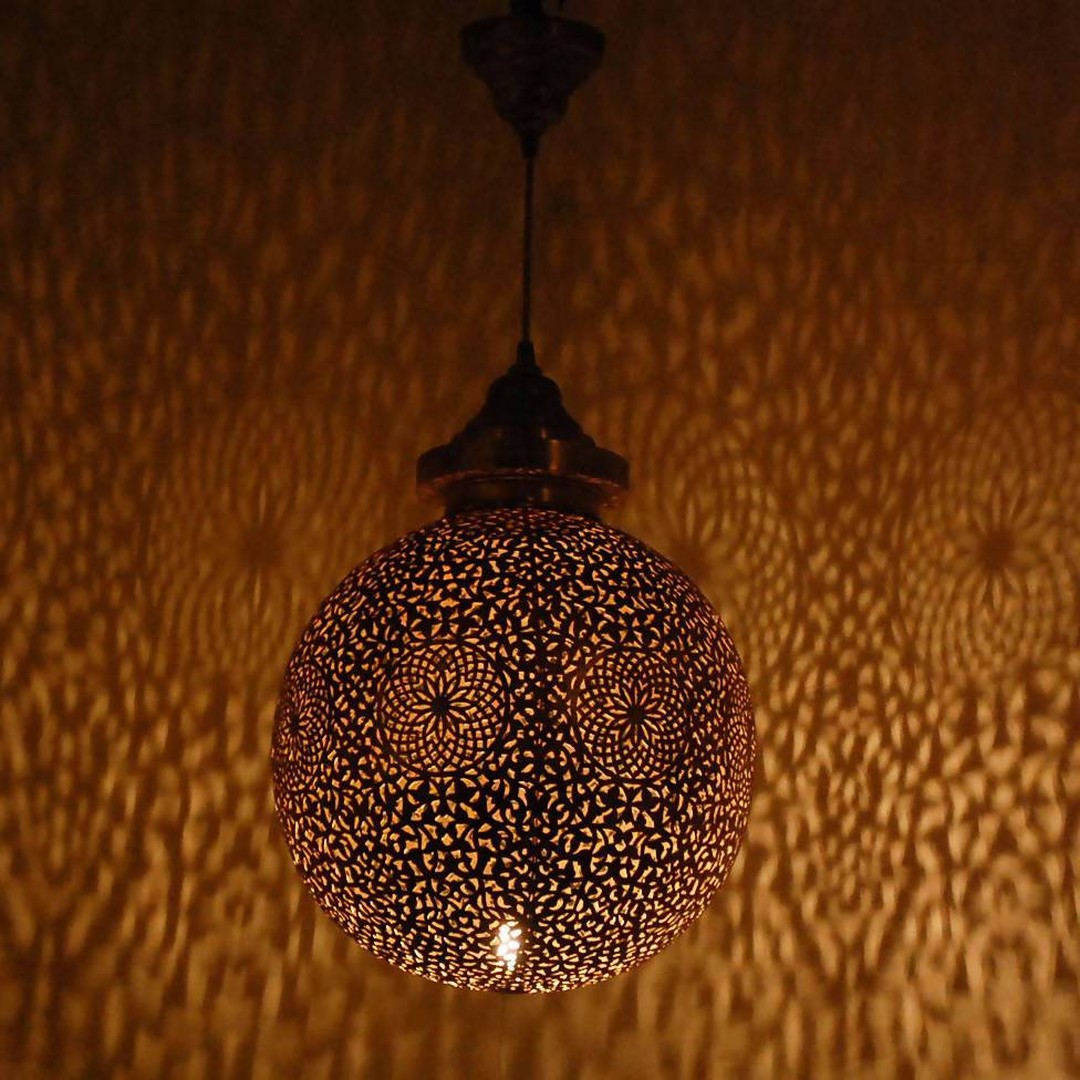
1. The Sahara — Erg Chebbi’s dunes are the image and exceed it. 2. Mint tea — poured high, drunk constantly; hospitality in liquid form. 3. The medinas — Fes and Marrakech hold the world’s great medieval cities, still working. 4. Tagine — the whole food canon, really. 5. The souks — commerce as theatre, crafts as inheritance. 6. Riads — architecture organised around a courtyard and a fountain. 7. The Atlas — North Africa’s highest range an hour from Marrakech.
The rising reputations
8. Chefchaouen’s blue — earned, and explained here. 9. Football — the 2022 World Cup semi-final made the Atlas Lions a global story, and 2030’s co-hosting will grow it. 10. Argan oil — the goats climb the trees; the cooperatives changed rural economies. 11. Film locations — Ouarzazate’s studios have doubled for half of on-screen antiquity. 12. Craft design — Beni Ourain rugs conquered the world’s living rooms.
The connoisseur’s three
13. Gnaoua music — trance rhythms with a festival of their own. 14. The layered history — Amazigh, Arab, Andalusi, Jewish, French threads in one weave. 15. Hospitality — the one every guest ends up citing first (our essay on it). Meeting all fifteen in one journey is what a well-built route is for: our 15-day best-of (from €2250 per person) was designed as exactly that list, private as always.
Everything on this page can be woven into a private itinerary — start from historical sites of Morocco or book the 7-day Imperial Cities circuit, and we shape the rest around you.
Abdellah Naciri — Abdellah covers culture and etiquette — the guest's guide to Moroccan life. His pieces explain the things locals rarely think to say out loud: how tea is offered and refused, what to wear where, how a moussem festival works, why Friday changes a town's rhythm. He writes them so that a first-time visitor can move through Morocco with ease rather than anxiety.