★★★★★ Rated 4.5/5 — 204 Google reviews · 576 reviews · 5.0/5 on Tripadvisor · Written by a licensed Marrakech tour operator, on the road since 2011
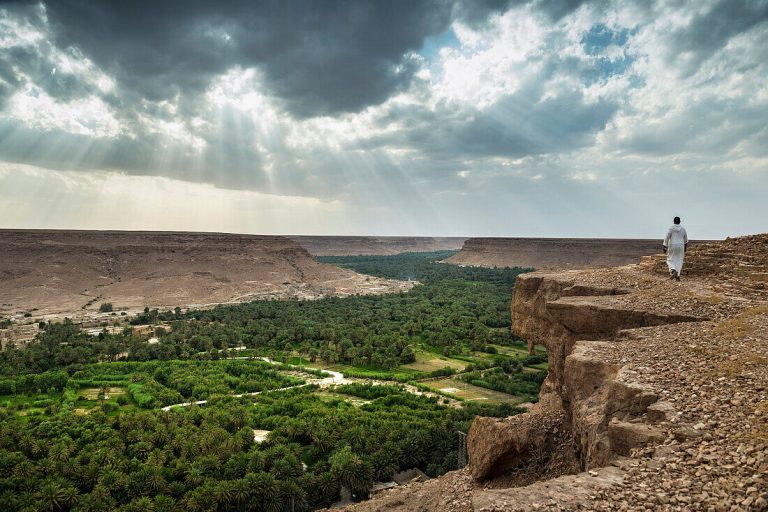
Every operator sells Morocco’s scenery — we do too; the dunes photograph obligingly. But read a decade of our guests’ messages home and a pattern emerges: the mountains get admired, the people get missed. This is a short essay on the country’s actual main attraction.
The hospitality is not a performance
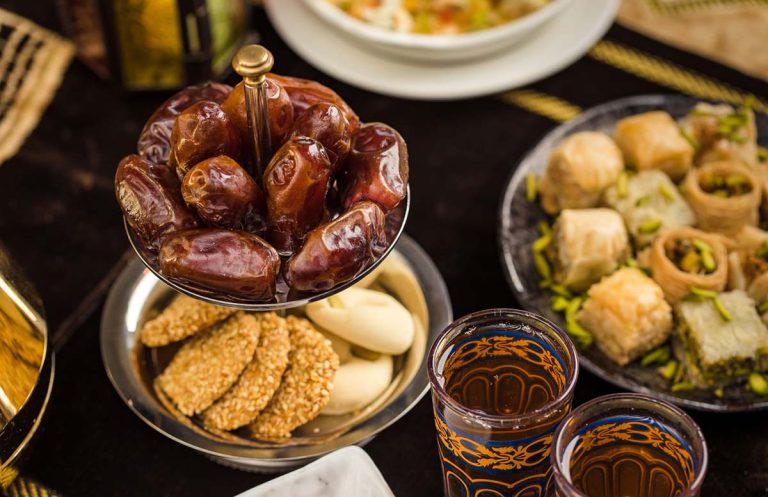
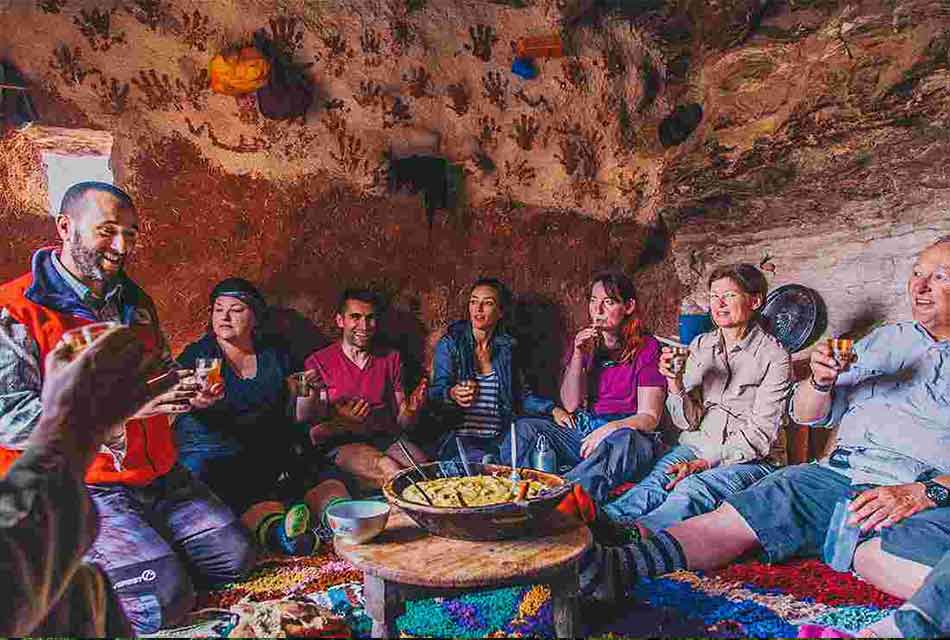
The tea you are offered in an Atlas village is not a tourism product; it predates tourism by centuries and would be offered to any traveller on the path. Moroccan culture treats the guest as near-sacred — marhaba is a worldview before it is a word — and the visitor’s role is simply to accept graciously: sit, drink the tea, ask about the harvest. The transaction-free hour that follows is routinely the trip’s most remembered.
Where it finds you
In the grand taxi driver who detours to show you his village’s view; the carpet seller who serves a third tea after you have clearly decided not to buy; the camp cook who teaches your children to drum badly and applauds anyway; the hand touching the heart after every introduction. None of it is on the itinerary. All of it is why itineraries here overrun happily.
How to meet it halfway
Learn ten words of Darija and spend them freely. Accept more invitations than feels efficient. Ask people about their lives before photographing their doorways (the courtesy rules). And build slack into the schedule — warmth needs unscheduled minutes to happen in.
Why we bring it up
Because it is the honest answer to “why Morocco?”, and because it is the part a private trip protects best: no group timetable ever left room for the second glass of tea. Our departures are private by principle — the country supplies the people; we just refuse to hurry you past them.
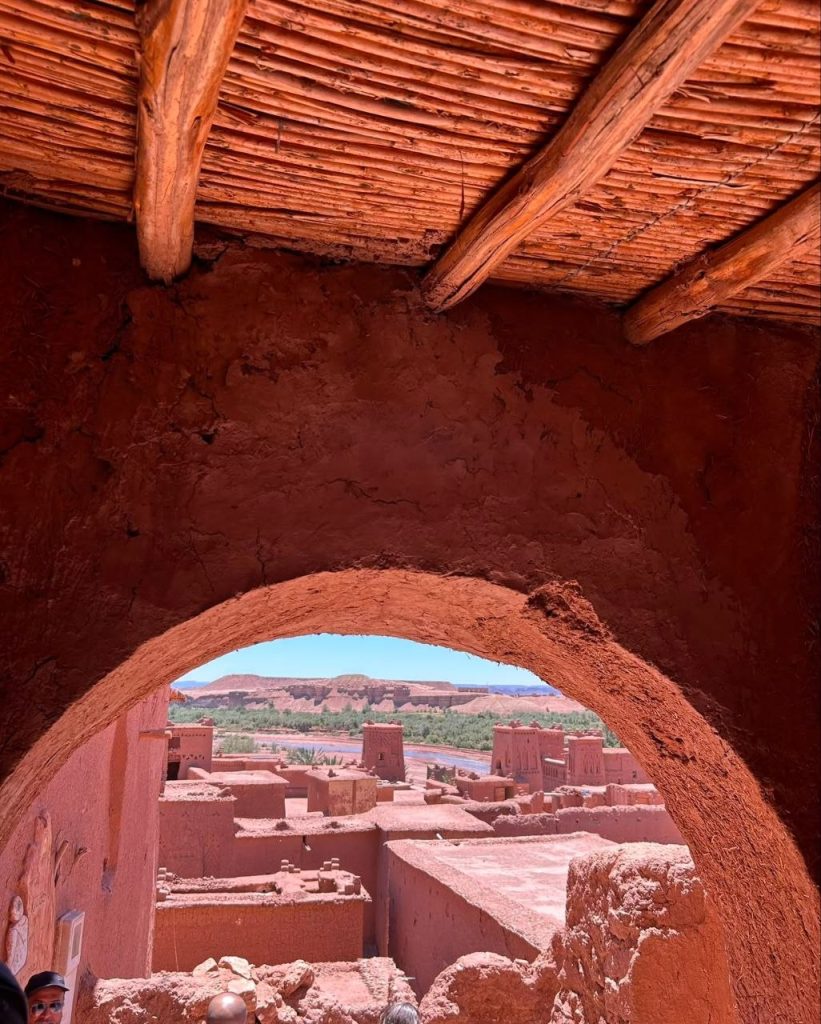
Everything on this page can be woven into a private itinerary — start from historical sites of Morocco or book the 7-day Imperial Cities circuit, and we shape the rest around you.
Abdellah Naciri — Abdellah covers culture and etiquette — the guest's guide to Moroccan life. His pieces explain the things locals rarely think to say out loud: how tea is offered and refused, what to wear where, how a moussem festival works, why Friday changes a town's rhythm. He writes them so that a first-time visitor can move through Morocco with ease rather than anxiety.