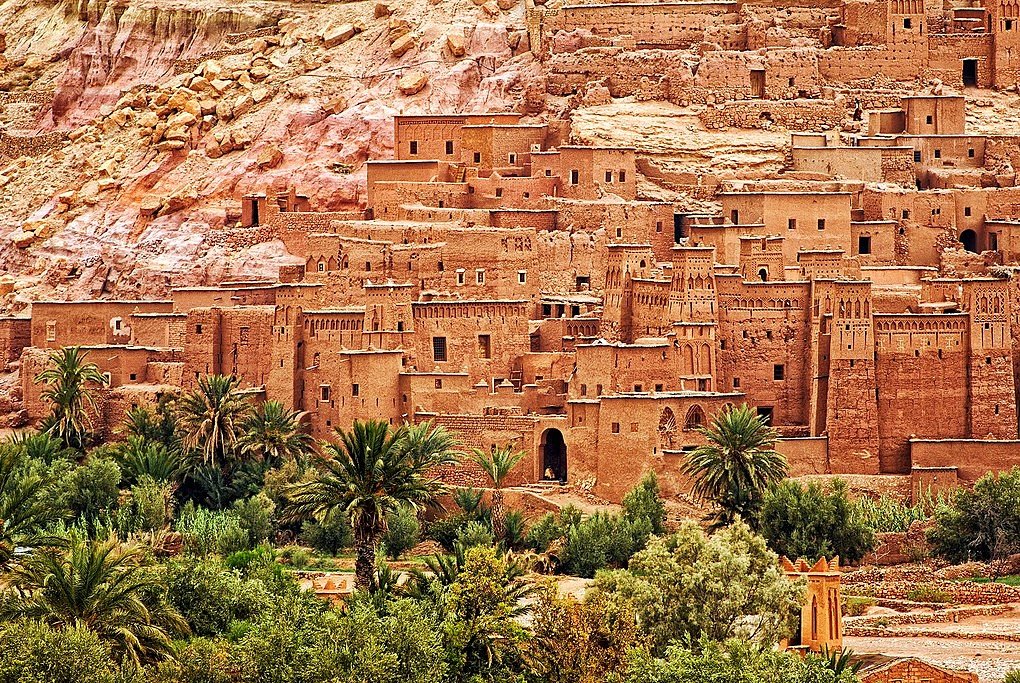
The Ourika valley is where Marrakech goes to cool down — 30 kilometres from the medina to running snowmelt, riverside tagines and waterfall paths, which makes it the easiest mountain day in Morocco and, chosen badly, the most crowded. Here is why it is worth it and how to do it well.
The case for Ourika
No other Atlas valley delivers this much for this little driving: Amazigh villages stacked above the river, the seven waterfalls of Setti Fatma (the first is an easy stroll, the seventh a proper scramble), argan and pottery cooperatives on the approach road, and lunch at a table whose feet are literally in the river. In summer the valley is 10 degrees kinder than the city.
How to beat the crowds
Go on a weekday, leave Marrakech by 8:30, and walk to the falls before the midday wave arrives from the city. Better still, push past Setti Fatma’s café strip: ten minutes upstream the paths empty and the valley returns to itself. Monday’s souk at Tnine Ourika on the way out is the region’s real weekly market, tourists a small minority.
What it is not
Ourika is a valley day, not a trekking base — for village-to-village walking you want Imlil and the routes covered here. Treat it as Marrakech’s green lung and it over-delivers; expect wilderness and you brought the wrong expectations.
Doing it privately
Our Ourika day runs private from your riad — your car, your walking pace, the riverside table booked ahead — and slots into any Marrakech stay; it is also day one of the 2-day Atlas adventure (from €300 per person). Combine with the sunrise balloon flight (from €190) for a big outdoors day. Valley questions live in the Ourika FAQ.
Rachid Amzil — Rachid handles the High Atlas — Toubkal, the Ourika and Imlil valleys, and the passes in between. He treats trail notes as a safety matter, not a style exercise: distances, water points and honest difficulty gradings come before the lyrical bits. His pieces are the closest thing this site has to a mountain briefing, and he updates them when the trails change.