★★★★★ Rated 4.5/5 — 204 Google reviews · 576 reviews · 5.0/5 on Tripadvisor · Written by a licensed Marrakech tour operator, on the road since 2011
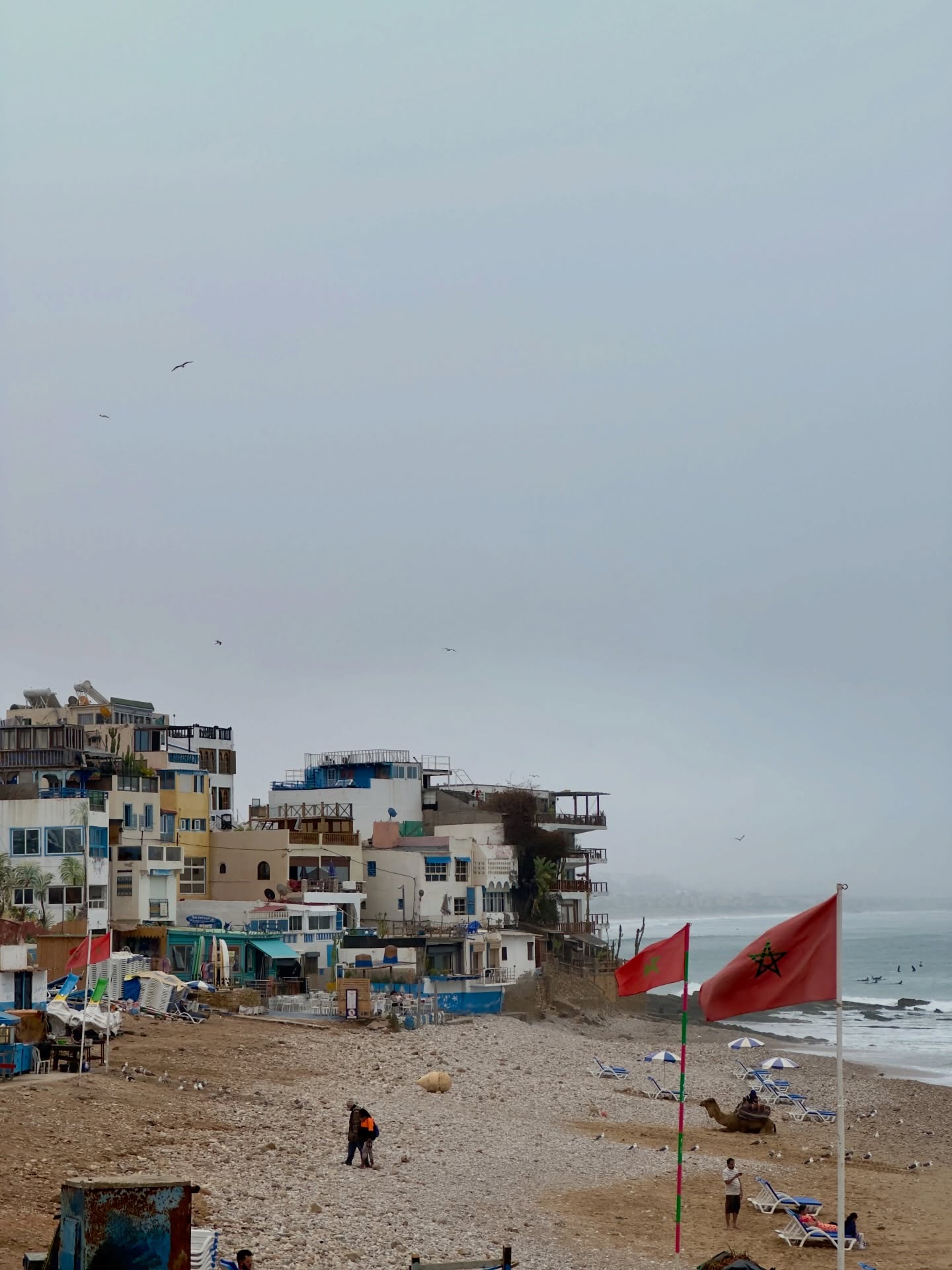
Agadir’s signature festival has a mission written into its name: Timitar — “signs” in Tamazight — was founded in the 2000s to put Amazigh music at the centre of a world-music stage, not at its margins. Each summer edition pairs the great rwais (Amazigh singer-poets) and Souss ensembles with African, Middle Eastern and Western headliners, mostly on big free open-air stages by the beach.
Why it’s special
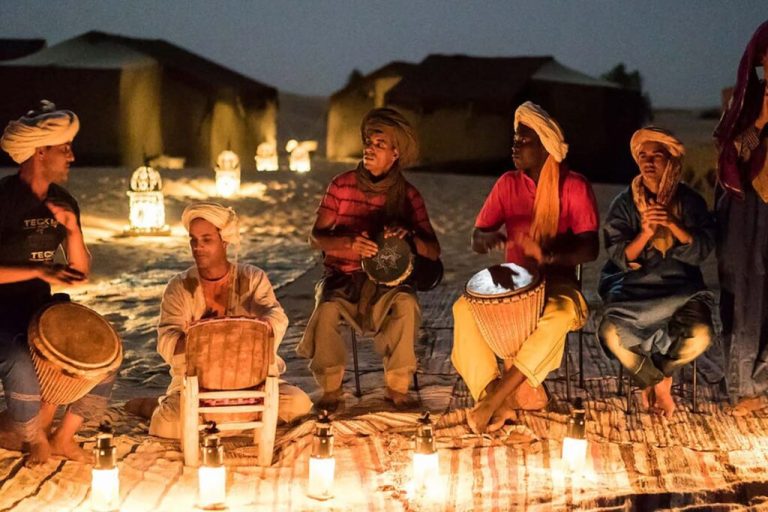
This is the festival of the culture that predates everything else in Morocco, staged in its heartland: the Souss. Expect banjo-driven rwais orchestras, ahwash percussion lines, and crowds that sing back in Tamazight — with the Atlantic breeze as air conditioning.
The practical counsel
Editions typically run in July; dates and programme via the city’s channels and the Agadir tourism board. Free stages mean crowds — go early for the front rows. July beach season means booking Agadir accommodation ahead regardless of the festival.
Building a trip around it
Festival evenings, beach days — and the south on your doorstep: our 4-day Agadir-to-desert loop or the coastal sweep to Marrakech both start from your hotel.
Coming to Morocco for the event? Tell us your dates on WhatsApp and we build the rest privately around your programme — guided city days, day trips, desert nights and transfers, never in a group. The mechanics are in our booking FAQ, and the full calendar lives on our Events in Morocco page.
Everything on this page can be woven into a private itinerary — start from historical sites of Morocco or book the 7-day Imperial Cities circuit, and we shape the rest around you.
Zineb Lahlou — Zineb writes about Moroccan traditions, crafts and celebrations. She grew up between Fes and Casablanca in a family where every wedding involved three cities' worth of relatives, which turned out to be excellent training for explaining Moroccan social life to visitors. Her beat runs from zellij workshops to Gnaoua music to the etiquette of a hammam.